How to make third-party delivery services work for you with the right tech
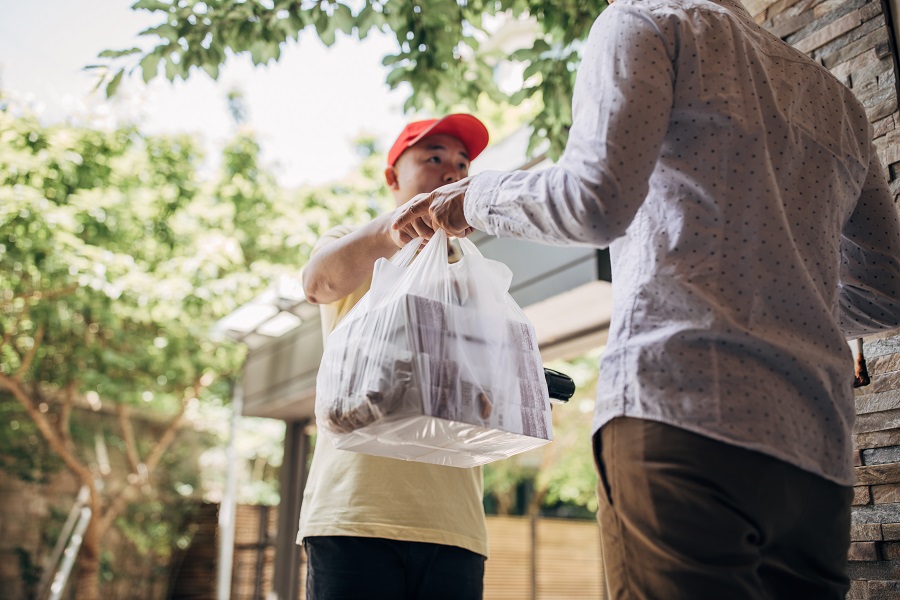
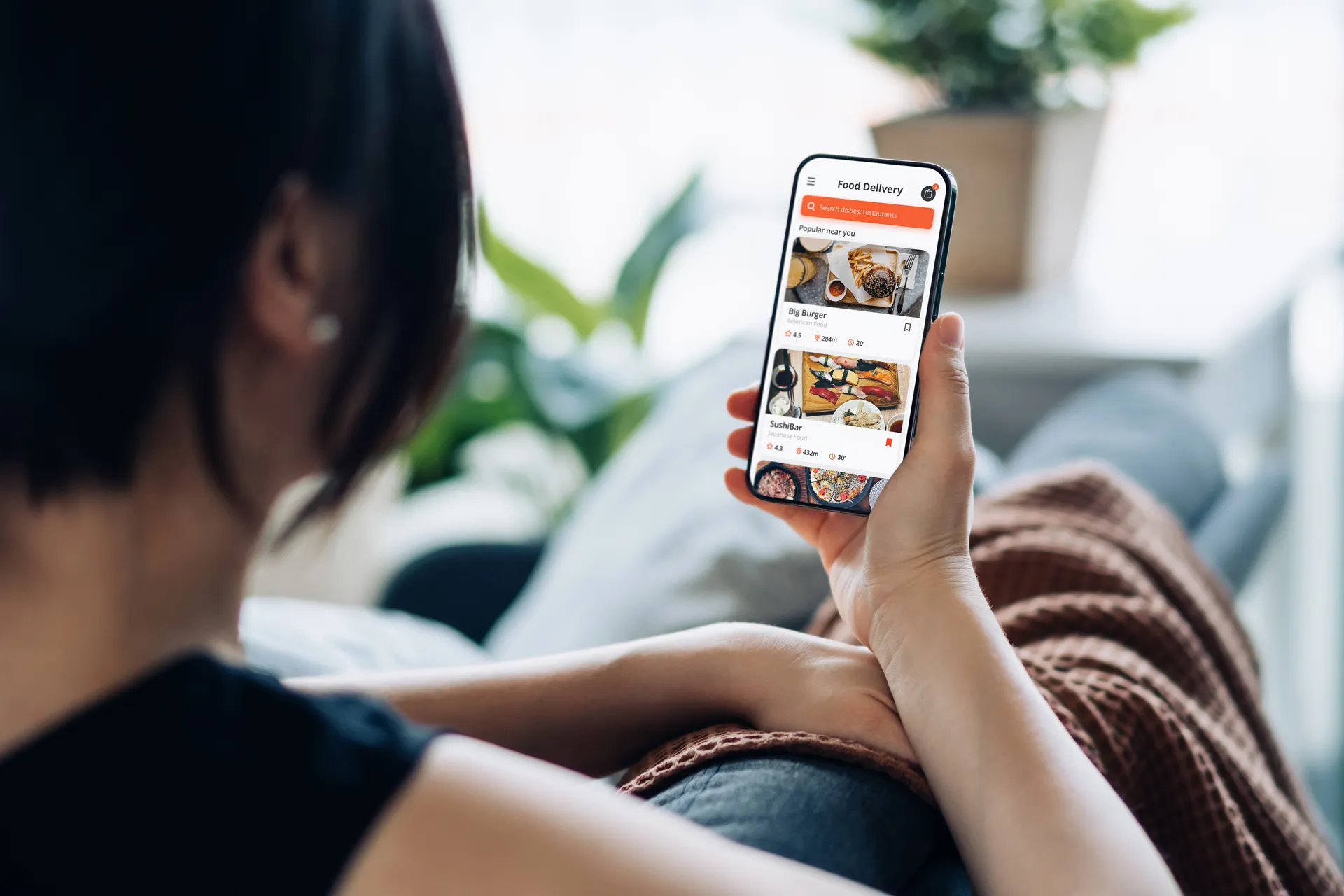
One of the main factors for guests to decide where they’ll eat is convenience, and there’s not much more convenient than having the meal sent to their house. With so many other restaurants utilizing platforms like DoorDash, Uber Eats and Grubhub, you might be wondering if this is the right step for you in your restaurant’s technology.
As you go through the decision to implement third-party platforms, you might be concerned about the management. But there’s a way to reap the benefits of having these platforms without suffering in tablet hell. Let’s look at some of the challenges of third-party platforms—and how you can avoid them.
What are the common problems associated with third-party ordering and delivery?
If you are a restaurant owner looking to add third-party ordering and delivery as a channel for your business, here are some common challenges to consider:, here are some common challenges to consider:
More equipment, more challenges: Mastering multiple online delivery systems is like learning different languages. If the systems don’t work together and you are managing all your third-party delivery orders on tablets, employees have to manually translate each of these orders into your restaurant POS, leaving lots of room for employee error—especially during high volume hours.
Out of sight, out of mind: When customers are in-store, their presence is immediately felt. Employees may be more likely to be attentive to their individual needs and demands compared to customers ordering online and off-premise. During busy days, it’s not uncommon for employees to turn off ordering and delivery marketplaces to get a break from the relentless orders. Turning off technology to focus on in-house guests means losing revenue and potential new customers in the process.
Manual menu updates: Successful third-party ordering and delivery software requires cooperation between the restaurant and online marketplace. When processes such as updating menu items are manual, it can disrupt your delivery operations—and your customer won’t be able to see when certain items are sold out. This can result in canceled orders or discrepancies between restaurant menus and digital ones.
Negative experience, negative reviews: When a customer’s order is wrong, the restaurant is the first to blame—not the third party platform. This places the burden on the restaurant manager to ensure that communication between the third-party service and restaurant is correct. Third-party services also have review systems built into their software, making it easy for customers to impulsively rate your restaurant and impact the reputation of your business.
How can restaurants address third-party delivery pain points?
Nowadays, customers want to get their orders as quickly as possible—and they want their orders to be completely accurate. To keep up without causing chaos, your restaurant needs a solution that integrates with your existing restaurant technology and POS systems, without adding more of it. This can keep the pressure off your staff and allow them to balance in-store guests with drivers picking up delivery orders.
If you’re adding third-party ordering and delivery into your operations, here are some recommendations:
Choose services that allow you to avoid long-term commitments. If you’re new to implementing third-party ordering and delivery, it may be helpful to test and experiment which services are best for your business. Keep your options open and don’t be afraid to pivot if a particular service isn’t working out for your restaurant.
Look for technology partners who have a direct integration between their POS and the third-party delivery partner or a delivery partner aggregator. Manually inputting orders between your third-party marketplace and your POS system can lead to a lot of time-wasting mistakes. Integrated software targets this issue by enabling direct injection of the orders into your restaurant POS and real-time automated communication between your restaurant and the third-party delivery service. This removes the need for third-party ordering and delivery tablets on your counter. Your staff members can focus on interacting with customers—rather than watching a tablet screen and waiting for orders to come in.
Treat orders from delivery marketplaces like any other. With the right technology partner, your employees can read third-party orders from your restaurant POS system, right along with in-house orders. That means there’s no downtime, and you’ll reduce improper order translation between your third-party delivery system and your POS. In-house and delivery customers will receive the same level of service and care without placing undue stress on your waitstaff or kitchen staff.
Consider investing in kitchen technology that supports capacity management.
This helps improve your management of any orders—both those in your restaurant and off-premise and also enables you to provide the customer with more accurate information straight from the kitchen, including item availability and accurate quote times. You’ll dramatically improve the customer experience without micromanaging every interaction between your different technologies.
Streamline your menu. Long menus and sections can overwhelm customers on a mobile device. Consider reconfiguring your menu into a few bite-sized main sections, keeping each section limited to a few items each. Label and name the sections of your menu in easy-to-understand categories. It may also be helpful to remove items that do not travel well—such as meatball subs, which can become soggy during even the shortest car rides. By limiting your delivery menu options, you may be saving your current and potential customers frustration in the long run.
Add photos of your menu items. Delivery apps can be a great way for new customers to discover your restaurant. That’s where photos of your food items come in. Consumers using third-party delivery apps have a lot of options to choose from within the app and restaurants with photos are more likely to catch their eye. Make your restaurant stand out by using great photos that showcase your most delicious dishes and help your rankings in the in-app search.
Conclusion
The consumer demand for delivery means that guests are expecting to see these platforms in your restaurant. Adding third-party ordering to your restaurant isn’t signing up for a headache—it’s opening your restaurant up for more efficiency, customers and money. Using a third-party delivery service can be great for restaurants that are just starting out or that can’t take on the expense of starting their own delivery service. Using a restaurant POS platform that is already directly integrated with third-party delivery services can help improve your operations and order accuracy, while attracting new customers and expanding your local reach.
Share this post
Related blog articles
Even more expert insights into important retail and restaurant trends.
How convenience retailers can create seamless fuel-to-store experiences that keep customers coming back
How retailers should split workloads between cloud and edge for real-time store operations
How to reduce shrink at self-checkout with visual AI