Direct Answer
AI, foodservice and digital transformation dominated the headlines at the 2026 NACS Show, but the more consequential shift was from technology experimentation to operational execution. Consumers are becoming more intentional about what they buy and where they place their trust, while retailers are demanding measurable outcomes from every investment. NCR Voyix believes the next era of convenience retail will be defined not by who adopts the most technology, but by who can unify data, applications and store operations to make better decisions and execute them consistently at scale.
Key Takeaways
- Modernization remains one of the biggest barriers to innovation, particularly amid competing operational priorities
- Foodservice is no longer an ancillary offering. For many retailers, it has become a primary growth engine.
- Consumers are redefining value, focusing less on the lowest price and more on making smart purchasing decisions.
- Gen Z and Gen Alpha are changing how products are discovered, evaluated and purchased.
- Social media is increasingly influencing merchandising decisions and accelerating product trend cycles.
- Self-service is evolving from a convenience feature into a core operating model.
- Retailers are moving beyond AI experimentation and demanding measurable business outcomes.
Beyond the Headlines: 7 Things You Might Have Missed at NACS 2026
Every year, the NACS Show offers a glimpse into the trends shaping the future of convenience retail. This year was no different. Artificial intelligence was everywhere. Foodservice remained a major topic of discussion. New technology solutions filled the expo floor. But the most interesting takeaway from NACS 2026 wasn't any single technology, category or innovation.
It was the growing emphasis on better decision-making.
Consumers are becoming more deliberate in how they discover products, evaluate value and decide where to spend their money. Meanwhile, retailers are becoming more selective in how they invest, modernize operations and deploy emerging technologies. Across the industry, there is a noticeable shift from experimentation to execution and from insights to outcomes.
If you couldn’t make it out to the Las Vegas Convention Center, here are seven themes that stood out to our team.
1. Foodservice Is No Longer a Side Business
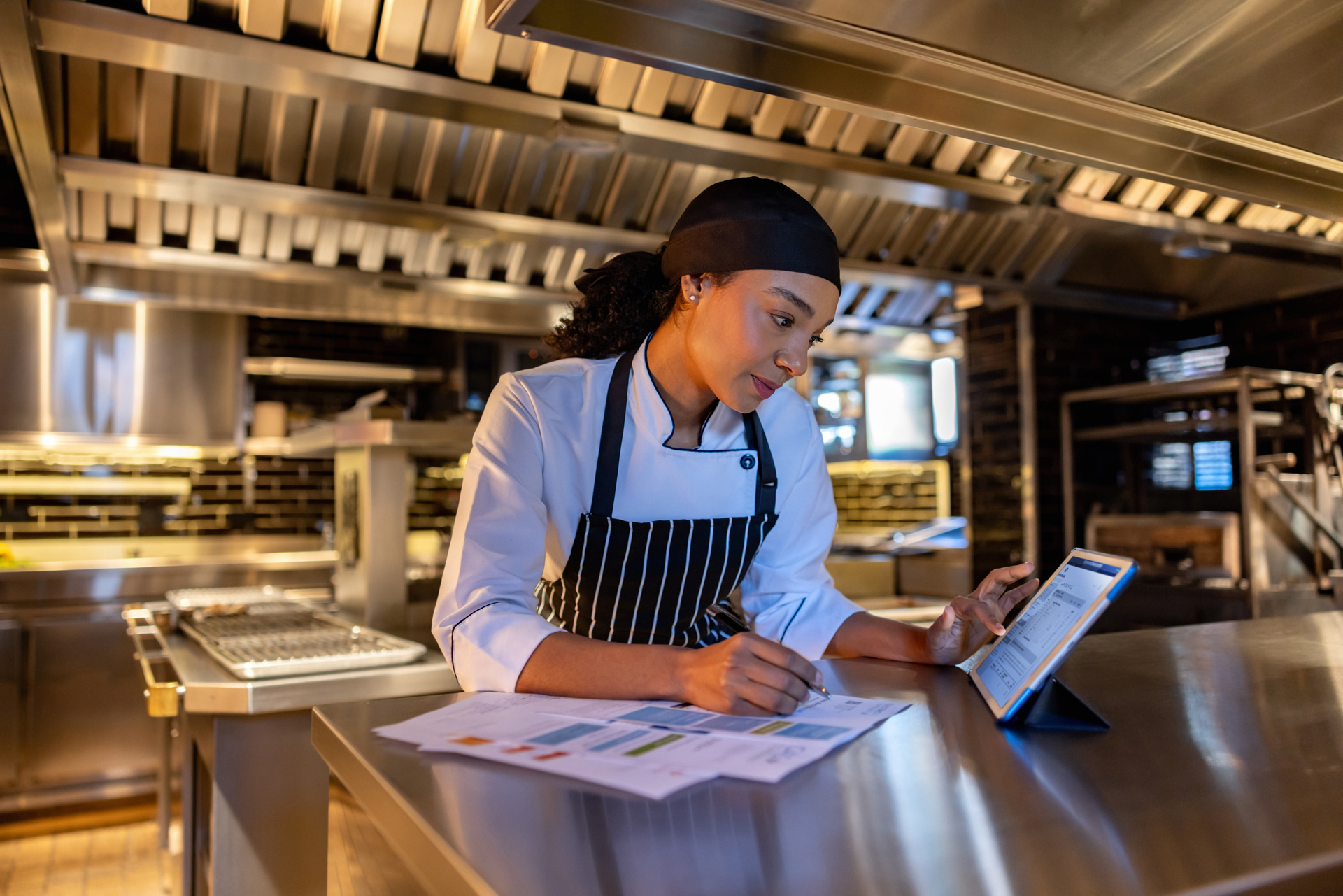
Foodservice has and continues to represent a promising growth opportunity for convenience retailers. At NACS 2026, it was clear that many operators now view foodservice as a core business function rather than a complementary offering. Discussions centered less on launching foodservice programs and more on expanding them efficiently while maintaining quality, consistency and profitability.
As foodservice operations grow, so does their complexity. Staffing, inventory management, order accuracy and kitchen workflows all become increasingly critical to success. Retailers are looking for ways to scale without introducing unnecessary friction.
The challenge convenience retailers face is more about to how scale it. For smaller operations, it might not make sense to introduce a kitchen environment. But, for others already offering fresh foods, it’s about figuring out how to utilize your inventory and labor to drive the most profit and value.
That reality reinforces a familiar lesson: growth often increases complexity.
As retailers expand foodservice offerings, they need more than individual kitchen technologies. They need inventory, ordering, kitchen operations and store execution to work as one unified system. Without that foundation, growth adds operational burden faster than it creates business value. The view from NCR Voyix is clear: foodservice can become a sustainable growth engine only when retailers can scale complexity behind the scenes while keeping the experience simple for employees and customers. Voyix Kitchen helps unify those workflows and support more consistent execution across the foodservice operation.
2. Value Means Something Different Today
Economic uncertainty continues to influence consumer spending habits. But shoppers are not simply looking for the lowest price available.
Instead, many consumers are being more intentional about their purchases. They want confidence that they are making the right choice. Whether that means paying for convenience, premium experiences, healthier options or greater quality. Discussions throughout the show reflected a growing understanding that value is increasingly tied to perception, relevance and outcomes rather than price alone.
For convenience retailers, that creates both opportunity and responsibility. Winning on value is no longer just about discounts. It is about understanding what matters most to customers and delivering experiences that align with those expectations.
Understanding what customers truly value requires more than intuition. Retailers need visibility into purchasing behavior, loyalty activity and transaction data to identify what drives engagement, repeat visits and basket growth. As definitions of value continue to evolve, data will play an increasingly important role in helping retailers keep pace. With loyalty solutions from NCR Voyix, retailers can turn those insights into personalized offers, targeted messaging and more relevant customer experiences that strengthen loyalty over time.
3. Gen Z Customers Introduce a New Operating Reality
A recurring theme at NACS 2026 was the growing influence of younger consumers. Retailers are adapting to a generation that discovers products differently and expects a more dynamic shopping experience. Educational sessions highlighted how Gen Z and Gen Alpha prioritize novelty, functionality, authenticity and digital engagement in ways that differ from previous generations.
This shift has implications that extend well beyond marketing. It affects merchandising strategies, product planning, inventory decisions and customer engagement models. Retailers that rely solely on historical buying patterns may struggle to keep pace with faster-changing demand signals.
For many younger consumers, convenience is no longer defined by proximity alone. They expect products to be available however they choose to shop, whether that's in-store, through mobile ordering, through third-party delivery platforms or via other digital channels. Several conversations at NACS highlighted how delivery is expanding beyond traditional restaurant use cases, creating new opportunities for convenience retailers to extend their reach, capture incremental occasions and engage customers who may never set foot inside a store.
What many conversations at NACS emphasized was that you'll have a hard time reaching new customers if you're not meeting them where they already are. As fulfillment models continue to evolve, having a unified platform that connects ordering, inventory and store operations will become increasingly important.
4. Social Media Is Reshaping How Products Win
In a similar train of thought, younger consumers are increasingly turning to social platforms to find new products, flavors and brands. This shouldn’t come as a surprise to anyone. Viral trends, customer-created menu combinations and influencer-driven recommendations are accelerating product demand at a pace traditional merchandising cycles were never designed to support.
Many of the products generating interest at this year's show reflected that reality. Novel flavors, nostalgic brand collaborations and highly shareable products attracted significant attention throughout the expo.
As trend cycles accelerate, merchandising decisions can no longer rely exclusively on historical performance. Retailers need access to real-time sales, inventory and customer data to identify emerging demand before it peaks. The ability to respond quickly may become just as important as identifying the trend itself. Retailers that can combine insights with execution will be best positioned to capitalize on emerging opportunities. Solutions like the NCR Voyix Commerce Platform can help unify data and operations, making it easier to act on changing consumer demand with confidence.
5. Self-Service Has Become Part of the Operating Model
Self-service technologies have existed in convenience retail for years, but the conversation at NACS 2026 suggested a broader evolution is underway.
Self-checkout, mobile payments, scan-and-go capabilities, food ordering kiosks and automated retail formats are increasingly being viewed as components of a larger operational strategy rather than standalone solutions.
As stores become more complex and customer expectations continue to rise, self-service technologies can help operators balance convenience, efficiency and profitability. The focus is shifting from individual technologies to how those technologies work together to support the business.
The most successful self-service strategies are not measured by the number of kiosks or checkout lanes deployed. They're measured by business outcomes such as labor optimization, transaction speed, throughput and customer satisfaction. Like many of the technologies highlighted at NACS, self-service is increasingly being evaluated based on the value it creates rather than the technology itself.
6. AI is Finally Being Asked to Prove Itself
Artificial intelligence remained one of the most visible topics at the show. Yet the tone of the conversation appears to be changing.
Rather than discussing AI in abstract terms, retailers are increasingly asking practical questions:
- What problem does AI solve?
- What business outcome does AI improve?
- How will AI success be measured?
NACS programming included sessions specifically focused on separating AI hype from retail reality, reflecting a broader desire for practical applications and measurable results.
This mirrors what many retailers have been saying for months:
AI should not be the strategy. AI should support the strategy.
Organizations that begin with clearly defined business objectives are more likely to gain meaningful value than those implementing AI simply because it’s the latest trend.
The same principle applies across the convenience retail industry. Whether the objective is improving forecasting accuracy, optimizing labor schedules or personalizing customer engagement, successful AI initiatives start with a business problem rather than a technology requirement.
7. Modernization Remains the Biggest Bottleneck
Perhaps the most important takeaway from NACS 2026 is that nearly every opportunity discussed throughout the event depends on a retailer's ability to modernize.
Foodservice expansion. Customer insights. Self-service. Inventory optimization. Data-driven decision-making. AI adoption. Each requires a technology foundation capable of supporting change.
Most retailers understand this. The challenge is that modernization rarely happens in isolation. Teams must simultaneously manage daily operations, labor constraints, customer expectations, competitive pressures and limited resources. As a result, competing priorities often delay transformation initiatives even when the business case is clear.
Every major theme from NACS 2026 points to the same requirement: modernization. Foodservice growth, customer insight, self-service and practical AI cannot reach their potential on disconnected systems. But modernization should not mean replacing technology for its own sake. It means creating a flexible foundation that unifies data, applications and operations so retailers can introduce change faster, reduce complexity and deliver more seamless experiences to their guests. Modernization is no longer an IT initiative. It is the operating strategy that will determine which retailers can adapt and grow.
The Real Story from NACS 2026
The biggest takeaway from NACS 2026 was not AI. It was not foodservice. It was not self-service. The show revealed a broader shift taking place across convenience retail.
Consumers are becoming more intentional about what they buy, how they shop and where they place their trust. Retailers are becoming more intentional about where they invest, how they modernize and which technologies deserve their attention. In both cases, success increasingly depends on access to better information and the ability to act on it.
Success increasingly depends on access to better information, the ability to act on it and the technology foundation required to scale those decisions across the business.
Frequently Asked Questions
What were the biggest themes at NACS 2026?
The most prominent themes included foodservice growth, changing definitions of value, evolving shopping behaviors among Gen Z and Gen Alpha consumers, the growing influence of social media on merchandising, self-service adoption, practical AI applications and the need for modernization.
Was AI a major topic at NACS 2026?
Yes, but the conversation was more focused on business outcomes than experimentation. Retailers showed increasing interest in measurable returns, practical use cases and operational impact rather than AI for its own sake.
Why is foodservice becoming more important in convenience retail?
Foodservice is increasingly viewed as a key driver of traffic, differentiation and profitability. As programs expand, retailers are focused on scaling operations efficiently while maintaining quality and consistency.
How are younger consumers influencing convenience retail?
Gen Z and Gen Alpha are accelerating demand for digital engagement, social discovery, novelty and personalization. Their behaviors are influencing everything from merchandising and product development to fulfillment strategies.
Why does modernization remain a top priority for retailers?
Modernization provides the foundation necessary to support emerging technologies, omnichannel experiences, self-service solutions, advanced analytics and AI initiatives. Without it, retailers may struggle to capitalize on future opportunities.
Share this post
Related blog articles
Even more expert insights into important retail and restaurant trends.

Why Compliance and Age Verification Are the Next Frontier of Frictionless Commerce

Retail Innovation Shouldn't Require Reinvention
Beyond legacy bottlenecks: Unlocking faster technology development velocity for convenience and fuel retail