A strong, savvy menu can be one of the best ways to promote your restaurant
Your menu is a large part of what defines your restaurant, sometimes before the customer even steps foot inside your dining room. And it’s the most critical piece of marketing collateral you have. So how you present items, describe specials and display prices can affect your profits—and how your brand is perceived.
Your menu is more than just the choices patrons have when they visit your establishment: it also impacts your restaurant’s inventory, kitchen equipment, operational processes and profit margins. And a few tweaks to your menu can have a big impact on how customers view your offerings and how much they spend. Boost your restaurant’s bottom line with the following simple but savvy menu shifts.
Optimize the design
Think about the layout of your menu and how your customers might see it. Is it engaging and enticing? Are there ways you could up the “wow” factor of it? Then, use that insight to make changes and enhance your guests’ dining experience. Here are a few restaurant menu ideas that can help you build a stellar selection:
Place high-profit items where the eye naturally goes first.
Your menu is the tour guide for your visitors—and your most important items can’t be missed. On a one-panel menu, guests tend to look first at the middle, then glance to the top left and scan down to the bottom. Strategically place dishes with the highest profit margins in these three areas.
Put a slightly more expensive item at the top.
Encourage diners toward your most profitable menu items by listing them next to a more expensive option. Guests will feel they’re getting a bargain on the dish and will be more willing to add on an appetizer or dessert.
Keep it simple.
Too many items on a menu can be distraction for guests. Six or seven dishes in each section gives diners plenty of options without overwhelming them with too many choices. Less is more.
Choose your words carefully.
Be specific and creative with your descriptions in your menu to make them sound more enticing. Feed your guests’ imaginations with words like “fresh,” “locally sourced” and “organic,” but don’t go overboard. Too many superlatives will cheapen the impact of those carefully crafted words to increase sales.
Take advantage of technology.
If it fits with your restaurant’s theme, consider making the switch to digital menu boards, tablets or self-ordering kiosks. These are easier and less expensive to update and can enhance your customer experience.
Highlight signature items, specials and cocktails
Your signature items and specials not only help define your brand, but they also can increase your profits.
Call attention to signature items.
The human brain is conditioned to notice what’s different, so find ways to make your signature items pop on the menu. A simple box, icon, negative space and different colors or typography can draw diners’ attention toward certain items.
Emphasize what’s unique.
Just as signature items are important, so are daily specials and limited supply offers. Highlight what makes these options different from your regular dishes and what sets them apart from the competition.
Maximize your drink profit.
In addition to promoting signature cocktails on your menu, merchandise them with drink displays, serve them in frosty mugs or special glasses and even consider selling pre-bottled cocktails and house-infused spirits.
Get the price right
It’s not just how you price items that matters; how you show the price is important too.
Nest the price within the item description.
If your pricing is in a list format, consumers will scan down the menu and hone in on what’s cheapest. Nested pricing gets the patron to read the item description so they’re more likely to buy it, rather than only focusing on the price.
Pretend you’re a customer.
Imagine each dish being served to you and consider if the price seems right. A simple change in presentation could justify a price increase.
Consider your competition’s pricing.
Talking about pricing, study your competitors’ menus carefully to help uncover the strengths and weaknesses in your own pricing strategy. Seeing how other restaurants present their offerings will help you uncover their most profitable dishes and top sellers.
Avoid being a copycat.
Rather than just copying competitors’ menus and trying to compete at a lower price point, find ways to differentiate your restaurant by offering unique, creative items, which allow for higher margins.
Lose the dollar sign
You’ve probably agonized over how to price your menu offerings, but many restaurant owners overlook the way their prices are formatted. Research suggests you should pay just as much attention to how you display those prices. A study by Cornell University found an 8.15 percent increase in average spending per person when the dollar sign was removed from a restaurant’s menu.
Removing the dollar sign shifts the consumer’s focus away from how much they have to pay onto more of what they’re craving—including indulgent items.
This technique is more suited to restaurant brands that are focused on quality, as opposed to price or value. Quick-service restaurants and value-oriented brands are less likely to experience a shift in consumer behavior by dropping the dollar sign.
Other mistakes to avoid
As you make aesthetic adjustments, make sure the menu is easy to read, interpret and handle.
If the print is too small or menus are too big and cumbersome to easily handle, customers can get frustrated, which will have a negative impact on your guests’ dining experience. Avoid using too many foreign words that lack English translations or menus that look cheap or antiquated. Generic clip or outdated photos that don’t match what the dish actually looks like should be avoided at all costs.
Make adjustments that bring repeat business
After you’ve taken a good look at your menu with these considerations in mind, make adjustments to ensure that the most important marketing collateral your customers see will not only get them in the door—it will keep them coming back again and again.
Share this post
Related blog articles
Even more expert insights into important retail and restaurant trends.
How retailers should split workloads between cloud and edge for real-time store operations
How to reduce shrink at self-checkout with visual AI

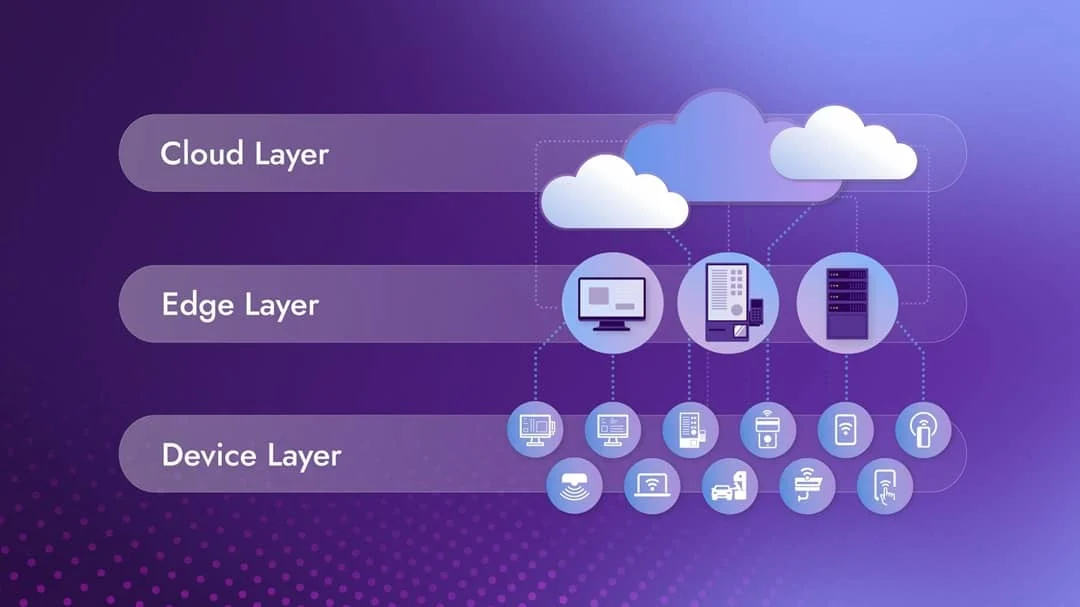
Restaurant & Retail Tech: Why Cloud‑to‑Edge Architecture Is Becoming the New Standard