All people, from Baby Boomers to Gen Z, want to go out and have good experiences at their favorite restaurants. Many of these experiences use technology to make you and your guests’ lives easier. But those experiences look different for each person—a new Millennial mother might prefer a restaurant that offers curbside pickup, while a Baby Boomer grandfather might struggle with a QR code.
Restaurants have a lot to gain—both on and offline—by understanding how each generation discovers new restaurants, what their expectations are once they arrive and the significant role technology plays in the dining experience.
Across generations, digital affects how people find new places to eat
Word-of-mouth endorsement from a trusted source is still the top reason people of all ages try new restaurants. The key difference is how heavily they rely on technology for those recommendations. For example, younger generations are more trusting of social media advertising and engagement, while boomers and Gen Xers are skeptical and look to reviews to judge a restaurant before visiting.
Facebook and online reviews for the older consumers
Older generations have over the decades that haven’t directly involved technology or digitization. They tend to choose restaurants based on close friends’ suggestions or location convenience. Older consumers still use social media regularly, though.
With nearly 80 percent of boomers and 71 percent of Gen X plugged in regularly, Facebook is the obvious choice for restaurants that want to reach this audience. Reaching them using regular digital advertising isn’t the best option, though. Older consumers are naturally skeptical of digital—it’s an “I don’t fully understand this; therefore, I don’t trust it” kind of thing.
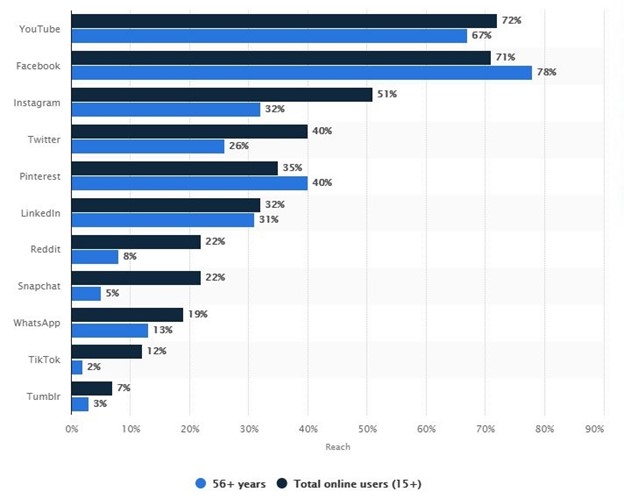
Rather than targeting them with ads, focus on building engagement and openness online. Reviews are huge: boomers and Gen Xers spend an average of 13 and 10 minutes, respectively, reading online reviews before deciding whether a business is worth their patronage. Encourage social and Yelp reviews, add your menu to your restaurant’s Google My Business listing and don’t be afraid of the occasional negative review—embracing criticism shows that you’re willing to improve.
All social and digital advertising for millennials and gen z
Gen Z and millennials depend on social media 99 percent more of the time than boomers or Gen X diners when choosing a restaurant. Not only extend the effect of word-of-mouth recommendations to everyone within young consumers’ social networks, but they’re also a haven for advertisements that match their interests.
Restaurants should —both through paid ads and organic—so they can immerse their followers in the dining experience long before they ever step foot in the door. Say, for example, a restaurant makes regular Instagram posts about new dishes and promotions. The viewer can get an in-depth idea of the atmosphere, food and style to get them excited about visiting, elevating the overall experience. Plus, this type of engagement isn’t off-putting like more sales-focused advertisements can be.
Older generations are typically slower to adopt online food ordering
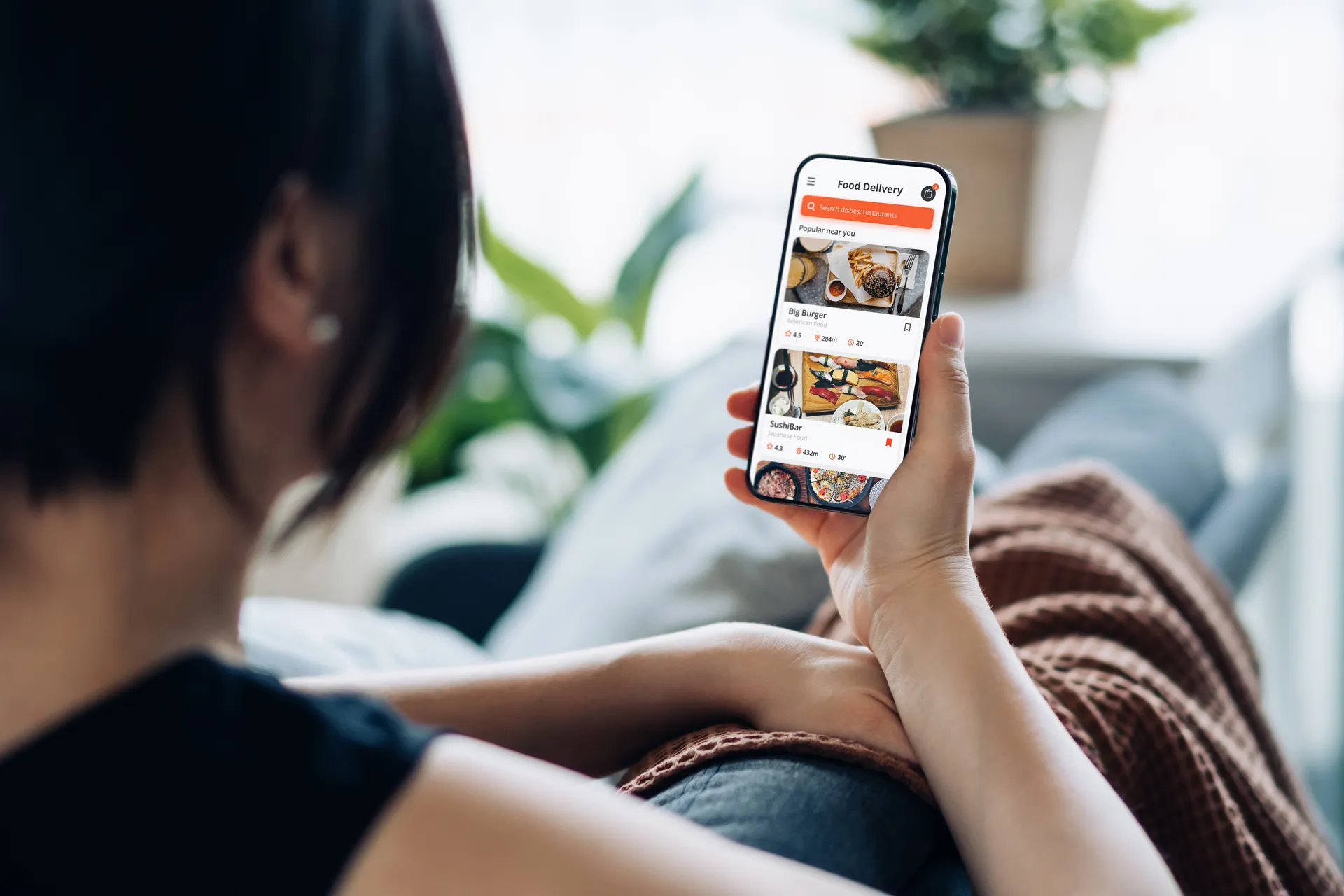
All generations are using mobile apps to order food — Grubhub, Uber Eats, etc. But boomers and Gen X have been much slower to increase their use of such digital channels. The difference is in the experience that each generation has been missing most and whether technological adoption comes as second nature or not.
Baby boomers and Gen X want to experience the physical restaurants, so digital takeout doesn’t sit well
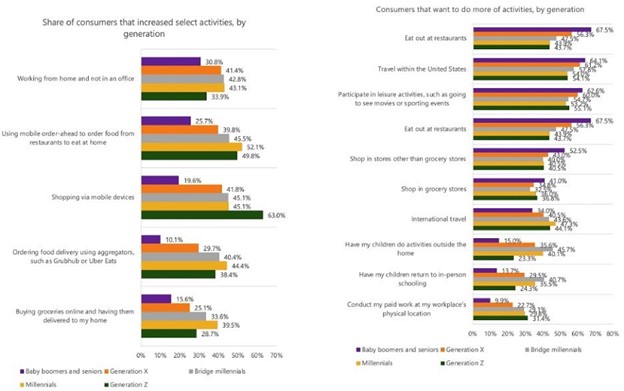
Boomers and Gen X look forward to eating out at restaurants more so than younger consumers—by a landslide
It’s not that the older generations aren’t accustomed to digital tools, but their sentiment toward ordering online as a singular option is clear in their ordering preferences. PYMNTS data on how each generation increased certain ordering behaviors during COVID showed that:
• Baby boomers increased mobile order-ahead by just 25.7% and used third-party delivery services just 10.1% more frequently
• Gen X increased the same behaviors by 39.8% and 29.7%, respectively
Millennials’ and Gen Z’s digital instincts cause them to embrace mobile food apps
Digitally native consumers have no qualms about using technology to discover and order from restaurants. Gen Zers use food delivery apps like they’re going out of style—with —and millennials aren’t far behind.
While Gen X is closer, the same PYMNTS survey showed Gen Z and millennials doubling mobile order-ahead and quadrupling third-party delivery when compared to boomers.
Boomers and Gen X prefer personal interaction; millennials and Gen Z want a more contactless experience
Younger generations recognize technology as a key component of the contactless on-premises dining experience, while older generations typically just expect good old-fashioned food, atmosphere and service.
Consumers 45 years and older enjoy timeless table service where the waitstaff is there to facilitate each stage of the dining experience.
Conversely, the same survey echoed millennials’ and Gen Z’s proclivity to want technology to play a larger role: 43 percent of millennials and 55 percent of Gen Zers want to use at-table tablets or their mobile devices to not only place orders but to make payments as well.
There are similarities in what all generations want when dining on premises, though. Offering, catering to those with food sensitivities and creating a well-balanced menu that appeals to organic, health-focused diners are a few ways to make everyone happy.
Flexibility is the key to giving each generation the dining experience they want
Different generations have different preferences and expectations. The best thing restaurants can do is to be flexible and
The happy medium is providing in-person service with a smile but enabling a digital online ordering experience for those that want it. Round that off with an engaging online presence across different platforms for a thrilling dining experience for all ages. Bon appétit!
Share this post
Related blog articles
Even more expert insights into important retail and restaurant trends.
How retailers should split workloads between cloud and edge for real-time store operations
How to reduce shrink at self-checkout with visual AI

Restaurant & Retail Tech: Why Cloud‑to‑Edge Architecture Is Becoming the New Standard