Direct answer
Upgrading legacy convenience store software is often slow and costly because monolithic architectures tightly couple core functions. Updating a single element—like fuel pricing, loyalty or payments—typically requires full-stack regression testing. A modern, microservices-based platform decouples these core services, enabling engineering teams to deploy updates independently and increase the pace of innovation through incremental, continuous enhancements.
Key takeaways
- Layering quick fix solutions onto legacy checkout systems increases technical debt and operational risk.
- Modern, modular platforms allow operators to update features like foodservice, fuel pricing or loyalty programs with minimal operational disruption.
- Open APIs can reduce vendor lock-in, enabling retailers to switch payment or rewards partners without rewriting their software ecosystem.
- Independent, per-service deployment can enable new convenience and fuel capabilities at scale, cutting deployment cycles from months to weeks.
- Convenience and fuel retail technology leaders can score their current architecture against five key metrics to assess what's needed to modernize.
Convenience and fuel retailers looking to improve their technology stacks are being constrained by their own infrastructure. While the benefits of modernizing are clear—such as real-time connectivity, AI-driven insights and faster rollouts—legacy systems often make change difficult.
Retrofitting older convenience store software isn't as simple as downloading an update, and it can be slow and costly. In addition, monolithic architectures typically couple core functions, meaning any change can introduce risk to the entire system.
A more modern platform architecture can help lay a strong and sustainable foundation through flexible software. Independent deployment of new modules and updates across sites allow operators to make changes in kitchen displays without impacting payment terminals or forecourt fuel pumps, for instance. With an agile and unified management platform, leaders can improve operational efficiency and unlock new market opportunities to roll out quickly and at scale.
The legacy trap: Why layering point solutions onto existing architecture compounds risk
Adding new features like EV charging or foodservice—the latter of which can account for more than 28% of in-store sales, according to the NACS State of the Industry 2025—onto a legacy core increases complexity and creates friction because the system wasn't built for them.
Traditionally, retailers have relied on separate point solutions for individual needs, resulting in a complex mix of multiple vendors. Piecing together these disconnected systems creates data gaps, such as a loyalty discount failing to sync at the fuel pump.
While convenience and fuel operators may hope adding integrations incrementally reduces risk compared with a complete technology overhaul and foundation-first approach, the reverse is often true: each change added to a constrained architecture makes the next change harder, not easier.
Platform architecture: What "modern" actually means for convenience and fuel retail
As convenience retailers expand foodservice, loyalty and digital engagement, flexibility becomes increasingly important. A microservices-based architecture allows operators to add new capabilities, integrate partners and scale services more efficiently without requiring large-scale changes across the business.
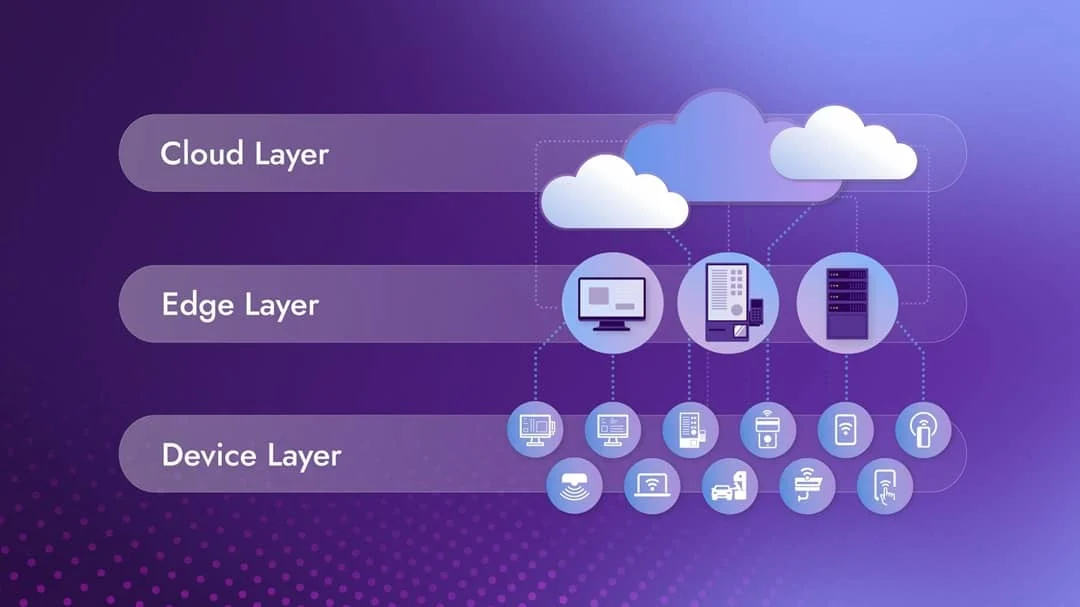
Cloud-to-edge architecture directly addresses convenience and fuel retail requirements for continuous operation during digital transformation by blending two key components:
- The cloud powers centralized management, analytics, unified commerce and rapid deployment.
- The edge supports in store continuity and performance by processing transactions locally, even in the event of network disruptions.
Adding in open APIs can create an even more agile and innovative architecture for retailers. This flexibility can reduce vendor lock-in, enabling operators to swap out providers for new players in payments, foodservice or loyalty without rewriting their entire convenience and fuel software ecosystem.
Architecture and development velocity: From months to weeks
Modular architecture unifies forecourt, convenience store and digital operations into one platform that's easy to manage. Separating functionality such as foodservice, fuel pricing, loyalty or payments into modules enables convenience and fuel retailers to update single elements or accelerate release cycles without revalidating the entire stack. This helps ensure they can adapt quickly to changing consumer demand and deliver consistent experiences across a network.
By combining microservices architecture with AI-driven development, vendors can further automate repetitive tasks to deliver security updates, custom integrations and new features much faster. This improved deployment velocity helps transform convenience and fuel retail operations and reduce IT burden.
Operators can roll out new applications and manage updates across sites with reduced downtime and disruption, implementing promotional updates and ensuring a consistent experience across all customer touchpoints. Now, a retailer can launch a coffee subscription program, add a new loyalty provider or enable order at the pump within weeks, not months.
Assessing what modern architecture means for your convenience and fuel retail business
Convenience and fuel retail technology leaders can evaluate their current architecture using five key metrics:
- How easily can your system be maintained and updated as your needs change?
- How flexible is your technology, and how easily does it scale?
- How reliable is your system, and how effectively does it prevent downtime?
- How easily can your platform integrate with new third-party vendors and software?
- How well does your system protect data and maintain regulatory compliance?
Armed with this evaluation, technology leaders can then decide on a modernization approach that is cost-effective for their growth goals. They will also need to consider factors such as:
- Migration risk and business continuity during the transition
- Internal resistance and change management within teams
- Upfront investment versus total cost of ownership
Carefully managed and phased rollouts, plus cascading training, gamified techniques and clear communication channels, can reduce migration risk and change fatigue. And the upfront CapEx can be offset by the ongoing operational gains. Further, with the right infrastructure, operators can quickly implement the technology to expand offerings across channels and gain real-time insights to boost business intelligence.
Move forward with flexibility
Relying solely on legacy updates leaves convenience and fuel retailers fundamentally compromised—limiting their ability to deliver a unified guest experience and capping the speed at which they can launch new revenue streams like foodservice and EV charging.
True competitive advantage requires moving past piecemeal fixes toward a modern platform architecture. By unifying forecourt, in-store and digital channels on an open foundation, operators transform technology from a bottleneck into a catalyst for agility, real-time profitability and lasting customer loyalty.
Ready to turn technology from a bottleneck into a competitive advantage? Get in touch to see how NCR Voyix can help you accelerate innovation, streamline operations and support new growth initiatives. Or visit us at the NACS Show to experience it firsthand in our booth.
Frequently asked questions
How long does a full platform modernization take compared to patching legacy systems?
With a modular, cloud-to-edge platform, operators can deploy new applications and updates across sites within weeks rather than the months typically required for legacy patch cycles. Phased rollouts allow stores to keep trading during the transition, and edge infrastructure ensures POS and fuel systems remain operational even during network disruptions.
What is the total cost of ownership difference between retrofitting and rebuilding a c-store POS?
Retrofitting appears cheaper upfront but compounds cost over time through rising integration fees, growing support tickets and vendor lock-in. A rebuilt architecture on an open platform reduces per-site total cost of ownership by consolidating vendor stacks, enabling hardware-agnostic deployments and lowering ongoing maintenance overhead.
Can I migrate from a legacy POS to a modern platform without shutting down stores?
Yes. Cloud-to-edge platforms are designed for phased migration with continuous in-store operations. Edge infrastructure ensures POS and fuel systems remain operational even during network disruptions, and updates can be staged and rolled back without impacting live transactions.
Share this post
Related blog articles
Even more expert insights into important retail and restaurant trends.



How convenience retailers can create seamless fuel-to-store experiences that keep customers coming back

Restaurant & Retail Tech: Why Cloud‑to‑Edge Architecture Is Becoming the New Standard