If the pandemic has taught us one thing, it’s that grocery stores are essential. So essential, in fact, that it’s been like a second peak season for many grocery retailers since the pandemic hit. And with so many shoppers moving through the aisles, keeping everything clean and transmission-free is critical.
But how can you make sure your stores are sanitary as possible—and that your employees are following the right cleaning protocols to stop the spread of COVID-19? Start by drawing up some cleaning checklists.
Following a cleaning checklist is critical for grocery stores during the coronavirus pandemic
The pandemic has changed the course of shopping and grocery consumer expectations. That’s why it’s necessary to keep up with your store’s cleaning processes. Since grocery stores are so essential, safety habits and creating a checklist that all grocery store employees are trained to follow helps make everyone feel safer and confident about coming back.
Creating a grocery store cleaning checklist ensures your stores meet hygiene standards for safe interactions. For this to be effective, your grocery store managers should train staff on the various steps and expectations, and make sure everyone is prepared to handle the extra responsibility. Guidelines provided by the CDC and the World Health Organization have set the standards for cleaning checklists that your employees can regularly review to make sure they’re following the most up-to-date protocols.
According to a recent WHO publication, “This guidance in keeping surface areas clean aims to reduce any role that fomites might play in the transmission of COVID-19 in both healthcare and non-healthcare settings, including grocery stores. It’s important to note that environmental surfaces include furniture and other fixed items, such as tables, chairs, walls, light switches, computer peripherals and electronic equipment including POS systems, and grocery store conveyor belts, store counters and shelves.”
Although the CDC guidelines for cleanliness mostly focus on medical settings, many of the same steps can be transferred to your grocery store’s cleaning measures. This is why a cleaning checklist is important to create and maintain: it helps reduce the risk of transmission while providing a visual reminder and process for employees to follow.
Why are checklists a good approach for managing cleaning procedures?
There’s a reason why your approach to de-contamination should include creating checklists. They help employees progress through tasks and also note when they’re complete. It's how managing cleaning and disinfecting procedures becomes a habit.
“From the standpoint of cognitive psychology, checklists work for a lot of different reasons, mainly related to memory,” said Matt Johnson, professor and associate dean at Hult International Business School. He researches the intersection between business and psychology. “Your business might not be saving lives or sending men into the final frontier, but it can still reap amazing benefits from checklists.”
What are the risks of neglecting proper cleaning procedures during a pandemic?
We now know that the risk of COVID-19 exposure is higher in interior public spaces, according to the most recent studies, and this novel virus is also highly contagious. Since the virus can spread in several ways, it’s important to keep your grocery stores clean and ensure your employees are following steps to avoid the spread of the virus as much as possible.
A recent study in the New England Journal of Medicine found that the virus was detectable on plastic and stainless steel for up to 72 hours, and on cardboard for up to 24 hours. Charlotte Baker, an assistant professor of epidemiology at Virginia-Maryland College of Veterinary Medicine, said when you’re at the supermarket, you should “assume all surfaces everywhere have been touched by someone who is sick.” This includes produce and packaged foods.
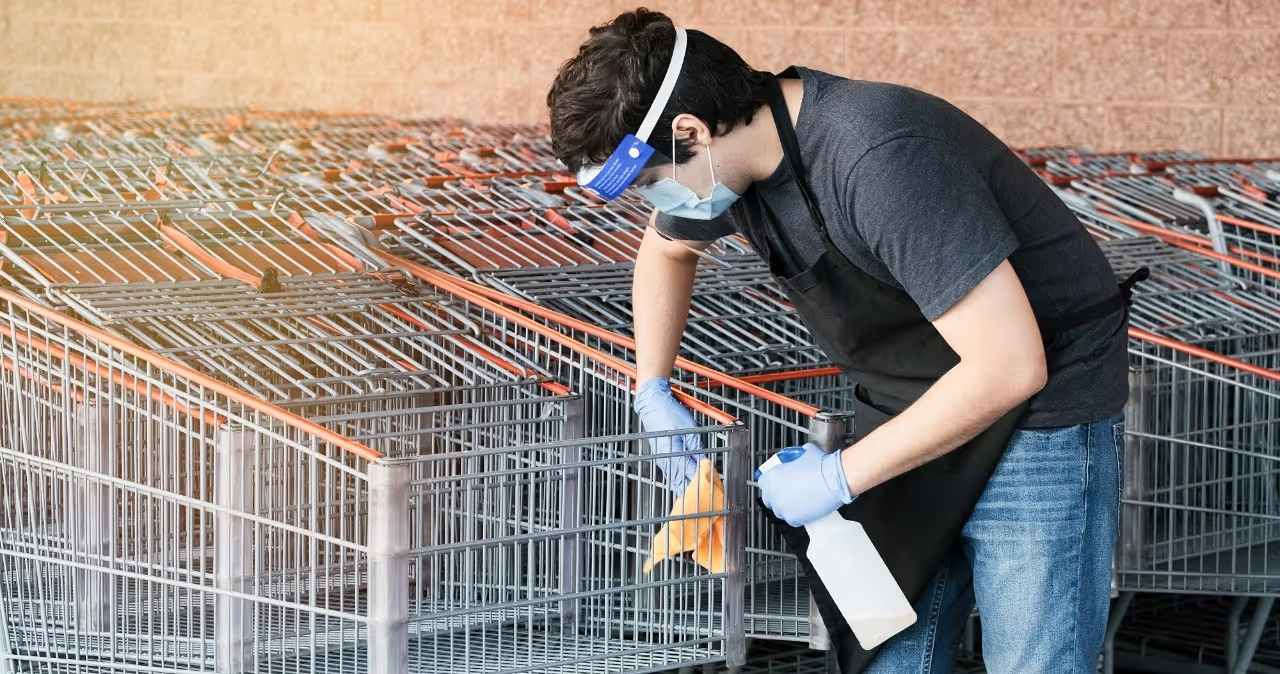
“Touch just the items you intend to buy, wipe down the cart or basket handles with disinfectant wipes, and wash your hands or use hand sanitizer when you’re done,” she said. Baker added that many people are also reducing their potential exposure by using curbside pick-up or at-home delivery. Even local food producers are offering these services. “Some farmers markets are allowing customers to pre-order foods so they are already packaged when you come pick them up,” she said, “reducing the amount of time that you need to be near other people and reducing the number of items that you can touch.”
Not having a grocery store checklist could cause your cleanliness efforts to lag, which could put your customer experience at risk. The last thing your grocery store needs, whether you’re an independent or a big chain, is to be known as a place where someone was exposed to COVID-19 because cleaning processes were not carried out effectively.
How often should a grocery store be cleaned?
Normal routine cleaning with soap and water alone can reduce risk of exposure and is a necessary step before you disinfect dirty surfaces.
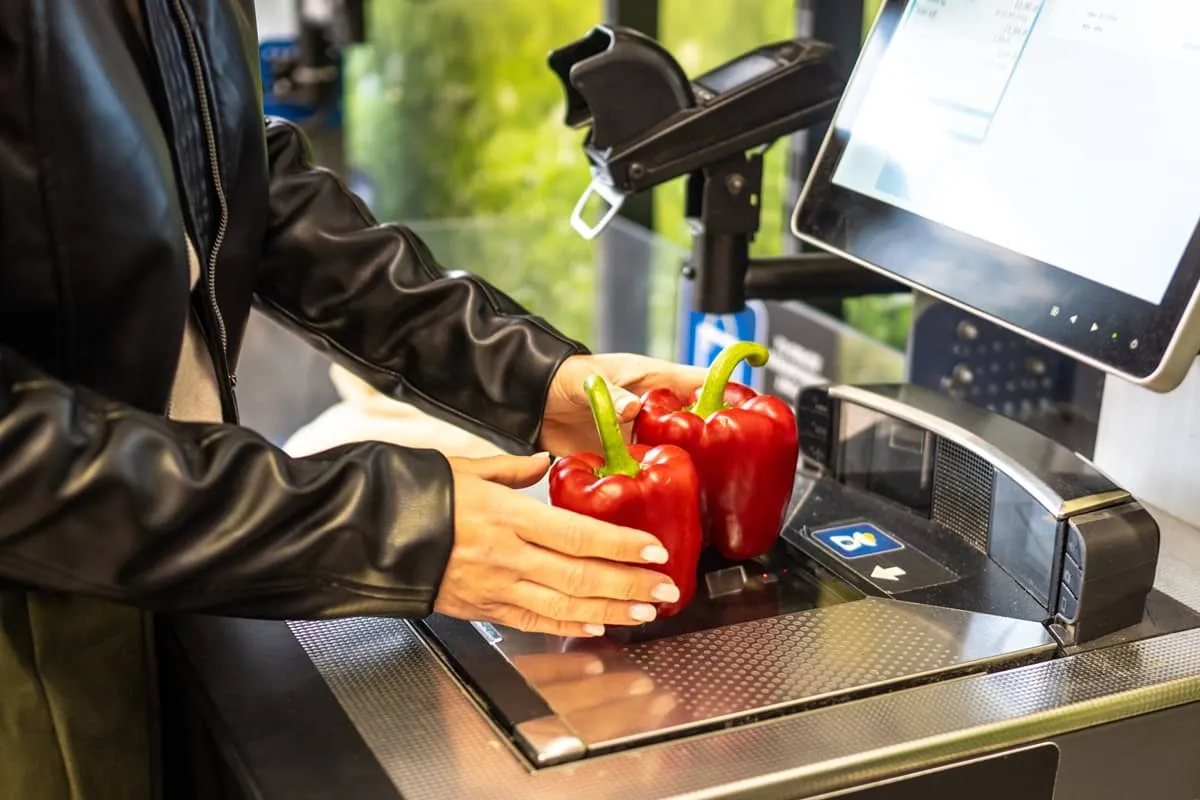
Surfaces frequently touched by multiple people, such as door handles, displays, POS terminals, handheld scanners, refrigerator case handles, shelves and other surfaces should be regularly cleaned and disinfected, ideally more than once a day. More frequent cleaning and disinfection may be required based on level of use. It’s also a good idea for cashiers and associates to wipe down the POS keypad and other surfaces near the register after every use. Putting a checklist here just for cashiers is a smart, easy way to organize a cleaning schedule by function; consider putting other area-specific COVID-19 cleaning checklists in other departments, such as the deli, bakery, florist, pharmacy counter and front customer service counter.
Cleaning and safety guides and checklist samples
Using checklists and posters placed in restrooms, breakrooms, common areas and work areas help make sure your cleaning processes become habit. The Food Industry Association (FMI) has many resources for creating cleaning checklists for additional inspiration. Below are CDC recommendations and information from NCR Voyix about how to keep your POS systems clean, along with basic simple steps employees should follow. Consider adding these to your grocery store COVID-19 cleaning checklist for employees:
- Notify your supervisor and stay home if you’re having symptoms (fever, cough, or shortness of breath).
- Follow CDC-recommended steps if you’re sick. You should not return to work until the criteria to discontinue home isolation are met, in consultation with healthcare providers and state and local health departments.
- Follow CDC recommended precautions and notify your supervisor if you are well but have a sick family member at home with COVID-19.
- Limit close contact with others and maintain a distance of at least 6 feet, when possible.
- Remind customers to maintain 6 feet distance from workers and other customers with verbal announcements on the loudspeaker and written signage.
- CDC recommends wearing cloth face coverings in public settings where other social distancing measures are difficult to maintain, especially in areas of significant community-based transmission. Cloth face coverings may prevent people who don’t know they have the virus from transmitting it to others. These face coverings are not surgical masks or respirators and are not appropriate substitutes for them in workplaces where masks or respirators are recommended or required.
- Encourage customers to use touchless payment options, when available. Minimize handling cash, credit cards, reward cards, and mobile devices, where possible.
- When exchanging paper and coin money:
- Do not touch your face afterward.
- Ask customers to place cash on the counter rather than directly into your hand.
- Place money directly on the counter when providing change back to customers.
- Wipe counter between each customer at checkout.
- Clean and disinfect frequently touched surfaces such as workstations, cash registers, payment terminals, door handles, tables, and countertops on a routine basis. Follow the directions on the cleaning product’s label and clean hands afterwards.
- Practice proper hand hygiene. This is an important infection control measure. With appropriate hand hygiene, gloves are not necessary for workers who are not involved in food preparation. Wash your hands regularly with soap and water for at least 20 seconds. An alcohol-based hand sanitizer containing at least 60% alcohol can be used, but not as a substitute for cleaning hands with soap and water.
- Key times to clean hands include:
- Before, during, and after preparing food
- Before eating food
- After using the toilet
- After blowing your nose, coughing, or sneezing
- After putting on, touching, or removing cloth face coverings
- Additional workplace-specific times to clean hands include:
- Before and after work shifts and periodically throughout shift
- Before and after work breaks
- After touching money or objects that have been handled by customers, such as reusable grocery bags
- Before putting on and taking off disposable gloves when performing food prep
- Avoid contact with body fluids.
- Do not touch your eyes, nose, or mouth.
- Use tissues when you cough, sneeze, or touch your face. Throw used tissues in the trash.
Here are a few tips about cleaning NCR Voyix POS and other hardware, from the NCR Voyix hardware cleaning guide:
Touch screens
Touch screens can be effectively cleaned with diluted detergent or up to 70% isopropyl alcohol solution. Make sure you follow the cleaning procedure below to avoid damage to the touchscreen:
1. Clean the screen using a non-abrasive cloth and a diluted detergent solution, such as household soap and water. Do not apply any cleaning products directly to the screen and do not soak the cloth: wring it out before use.
2. Dry the screen with another soft cloth.
3. The screen can then be further cleaned by dampening a cloth with isopropyl alcohol solution, or using pre-packaged wipes, to wipe the screen. Do not apply any cleaning products directly to the screen and do not soak the cloth: wring it out before use.
Plastic & metal surfaces
We recommend cleaning plastic and metal surfaces of the POS or self-checkout with soap, water and bleach solution. Note that bleach can damage clothing.
Other devices
NCR Voyix recognizes that there are non-NCR Voyix third-party hardware devices used with our product, and we recommend following the instructions provided by those vendors.
You can also consider adding an anti-microbial coating to your NCR Voyix hardware and device surfaces.
What steps should you take to maintain store checklists?
Grocery and food retail establishment managers and employees have more pressure than ever before with the need to have COVID-19 health and safety plans in place. By following the CDC Interim Guidance for Businesses and Employers, you can ensure these guides are being followed with the creation of a checklist. By keeping up with these guidelines regularly and assigning a person to manage the checklists if needed, you can easily create and maintain checklists.
Help keep employees healthy with checklists
Checklists can also help your employees stay healthy and know what to do if they get sick. The CDC has published steps to help prevent the spread of COVID-19 if an employee is sick. Consider adding the following steps to your checklists so employees know what to do:
- Actively encourage sick employees to stay home.
- Sick employees diagnosed with COVID-19 shouldn’t return to work until the criteria to discontinue home isolation are met, in consultation with healthcare providers and state and local health departments.
- Provide employees with accurate information about COVID-19, how it spreads, and risk of exposure.
- Be aware that some employees may be at higher risk for severe illness. Implement specific policies to minimize face-to-face contact between these employees or assign work tasks that allow them to maintain a distance of six feet from other workers, customers and visitors, or to telework if possible.
- Provide training to employees on proper hand washing practices and other routine preventative measures. This will help prevent the spread of many diseases, including COVID-19.
- Provide employees with access to soap, clean running water, and materials for drying their hands, and provide alcohol-based hand sanitizers containing at least 60% alcohol at stations around the establishment for use by both workers and customers.
Maintain a healthy work environment
As well as having a cleaning steps checklist, it’s also a good idea to make sure your employees and customers know how to keep a safe distance. So, consider creating a secondary checklist for store managers to inform employees of these proper procedures developed by the CDC, such as:
- Add partitions with a pass-through opening at the bottom of the barrier in checkout lanes, customer service desks, and pharmacy and liquor store counters as a barrier shield, if possible.
- Use every other check-out lane to aid in distancing.
- Move the electronic payment terminal/credit card reader farther away from the cashier to increase the distance between the customer and the cashier, if possible.
- Use verbal announcements on the loudspeaker and place signage throughout the establishment, at entrances, in restrooms, and in breakrooms to remind employees and customers to maintain distances of 6 feet from others.
- Place visual cues such as floor decals, colored tape, or signs to indicate to customers where they should stand during check out.
- Shift primary stocking activities to off-peak or after hours when possible to reduce contact with customers.
- Remove or rearrange chairs and tables or add visual cue marks in employee break rooms to support social distancing practices between employees. Identify alternative areas such as closed customer seating spaces to accommodate overflow volume.
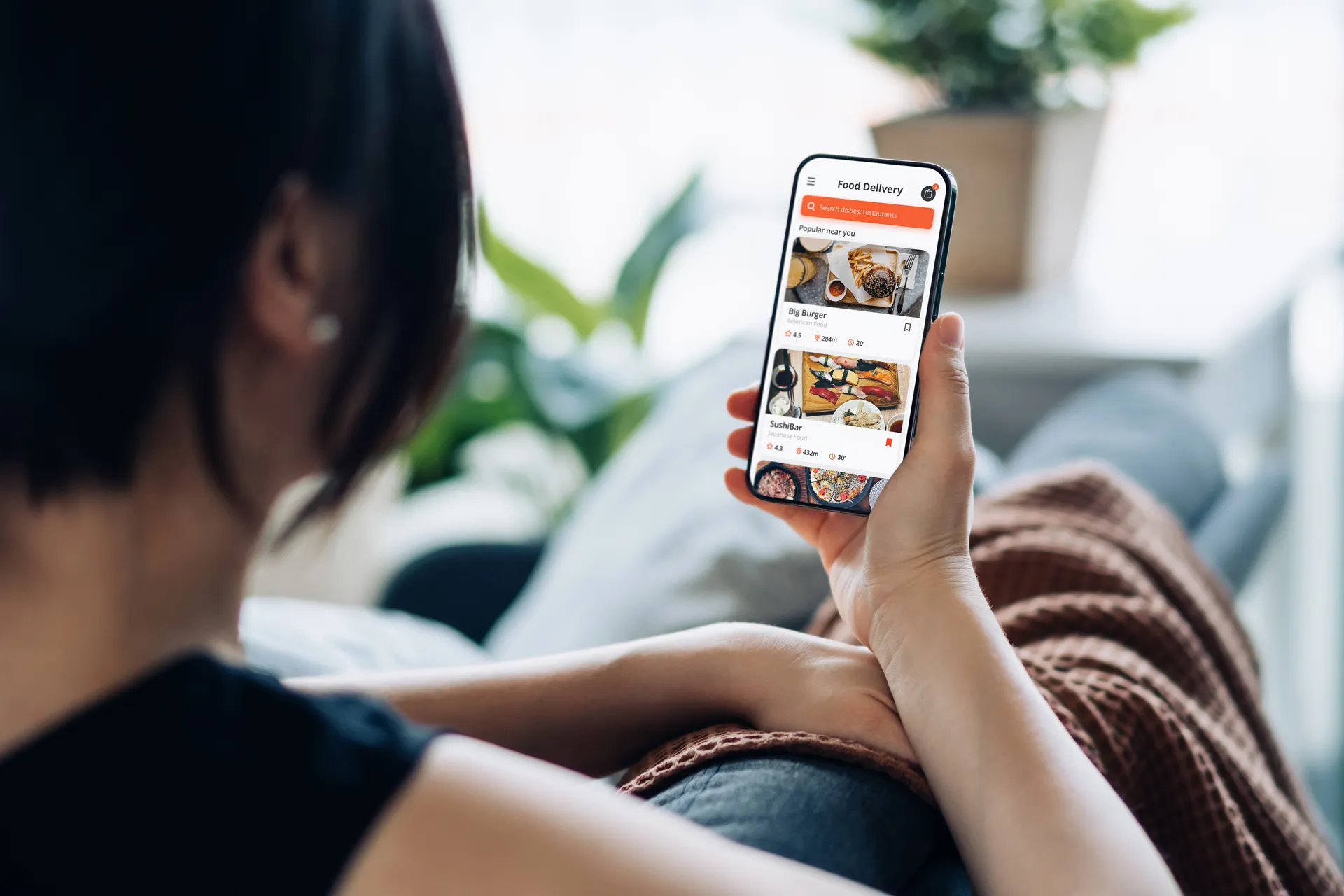
- Provide remote shopping alternatives for customers, including click-and-collect, delivery, pick-up, and shop-by-phone to limit customers in the establishment. Set up designated pick-up areas.
- Control the flow of traffic into the establishment by ensuring that maximum capacity plans are adjusted and managed at the front door.
- Place posters that encourage staying home when sick, cough and sneeze etiquette, and good hand hygiene at the entrance to the workplace and in other workplace areas where they are likely to be seen.
- Provide tissues and no-touch disposal receptacles for use by employees.
- Clean and disinfect frequently touched surfaces within the establishments. If the surfaces are visibly dirty, clean them prior to disinfecting. To disinfect, use products that meet EPA’s criteria for use against SARS-CoV-2external icon, diluted household bleach solutions prepared according to the manufacturer’s label for disinfection, or alcohol solutions with at least 70% alcohol, and are appropriate for the surface. Follow manufacturer’s directions for use.
Other recommended cleaning efforts include:
- Clean frequently touched shelving, displays, and reach-in refrigerator units nightly when closed to the public.
- Conduct frequent cleaning of employee break rooms, rest areas, and other common areas.
- 買い物カートとバスケットを清掃する。
- 夜間の徹底的な清掃作業を円滑に進めるため、従業員に対し毎晩ロッカーを清掃するよう求める。
- 従業員が作業台、レジ、クレジットカードのタッチパッド、ドアノブ、コンベアベルト、テーブル、カートの持ち手、カウンターなどの頻繁に触れる表面を拭けるよう、使い捨ての除菌シート、クリーナー、またはスプレーを提供する。
- 適用されるすべての地方、州、連邦の規制および公衆衛生機関のガイドラインに従う。
安全で継続的な事業運営を維持するためのチェックリスト
COVID-19に関する懸念に対応する責任者を指名してください。従業員は、その担当者が誰であるか、また連絡方法を知っているべきです。また、
- 従業員が匿名で懸念を表明できるよう、ホットラインの利用を検討する。
- 可能な範囲で、オフィススタッフ向けに柔軟な勤務場所(テレワーク)を導入する。
- 複数店舗を兼務する従業員の移動は、重要な施設機能に必要なもののみに制限してください。可能な限り、電話で会話を行ってください。
- 実際に現場を訪問する代わりに、閉回路テレビ(カメラシステム)を活用して施設を遠隔で監視する。
- 柔軟な病気休暇と支援的な方針および慣行を導入してください。一部またはすべての従業員に病気休暇が提供されていない場合、懲罰的でない緊急病気休暇の方針を策定することを検討してください。雇用主は、病気の従業員に対し、病気の確認、病気休暇の資格、または職場復帰のために、COVID-19の陽性検査結果や医療提供者の診断書を要求すべきではありません。
- 従業員が病気になった場合の連絡先情報を提供してください。従業員がCOVID-19感染症に罹患していることが確認された場合、雇用主は職場でのCOVID-19への曝露の可能性について他の従業員に通知すべきですが、米国障害者法(ADA)の要件に従って機密性を維持する必要があります。
- レジ係が定期的に手を洗うために持ち場を離れることができるよう、交代要員がレジステーションに交代で入るシステムを導入する。
- より頻繁な徹底清掃を行うため、営業時間の短縮を検討する。
詳細情報はどこで入手できますか?
以下のCDCリンクおよびこの記事で引用されているリンクを利用して、最新情報を入手してください。従業員や上司と話し合い、チェックリストの項目を全員が認識し、定期的に使用していることを確認してください。その他のリソースは以下の通りです。
- コロナウイルス感染症2019 (COVID-19) 計画と対応ウェブサイト
- NIOSH 職場の安全衛生トピック ウェブサイト
- CDC COVID-19 ウェブサイト
- CDC COVID-19 施設の清掃と消毒 ウェブサイト
- OSHA COVID-19 ウェブサイト
- FDA COVID-19パンデミック期間中の食品小売業者向けベストプラクティス
- FDA 食品安全とコロナウイルス感染症2019 (COVID-19)
- 米国国土安全保障省
- FDA 食品安全
- CDC 清掃手順
- CDCインフォ: 1-800-CDC-INFO (1-800-232-4636) | TTY: 1-888-232-6348 | ウェブサイト
*消毒および清掃プロセスについては、米国疾病対策センター (CDC) を参照してください。CDCまたは世界保健機関 (WHO) は、信頼できる情報源です。 CDCの環境清掃および消毒に関する推奨事項を参照してください。
この記事をシェアする
関連ブログ記事
小売・飲食業界の重要なトレンドに関する専門的な洞察をさらに詳しくご紹介します。