Now that social distancing and stay-at-home orders are starting to relax worldwide, many retailers designated as ‘non-essential’ are taking steps to reopen their stores. But they’ll be opening their doors to a new normal, one that underscores an urgent need for digital transformation.
Download the infographic to see key elements of a data-driven store design
What is digital transformation?
According to IDC, an analyst firm that offers global, regional and local expertise on technology and industry opportunities and trends, digital transformation is the process of transforming decision making with technology. They break it out into three categories:
1. Transforming: New sources of innovation and creativity to enhance experiences and improve financial performance. (Simply modernizing the technology underpinning existing systems is not transformation.)
2. Decision Making: Using information to create an evidence-based culture. Companies should plan on doubling the productivity of their knowledge workers by using information more effectively.
3. With Technology: Digital transformation is not to be confused with digital technologies. But it does use third-platform technologies, such as cloud, mobility, big data and social – as well as innovation accelerators including the internet of things (IoT), robotics and 3D printing.
The world we live in is a digital, mobile first world – customers with smartphones can buy, browse, ask voice assistance and research anytime, anywhere with just a few clicks. Using social media networks, they can instantly share their opinions about products and services they buy, shaping the perception of your brand in the eyes of others (for better or worse).
The digital-first revolution was already well underway before the pandemic. And especially in the wake of the novel coronavirus, digital transformation has taken center stage. For retailers, it’s about using information and new technology platforms to engage consumers digitally and physically in new and exciting ways, while giving retailers the flexibility to keep up and adapt with the pace of change.
Why digital transformation in retail will be critical after the coronavirus
Now more than ever, digital retail transformation is key to success. The coronavirus pandemic has not just upended the way we behave and interact now—it's poised to introduce lasting changes in consumer behavior that will, in turn, drive lasting disruption in an already fast-changing retail industry. As governments around the world instituted nationwide lockdowns and everyone was stuck at home, the demand for digital services and products hit record levels.
In the U.S., buy online, pick-up at store (BOPIS/Click and collect) grew from 19% to 34% * for groceries in just 30 days. Indeed, downloads in grocery retail applications show huge increases in consumers ordering home delivery or click and collect for essential food shopping.
As areas reopen, there are many expectations that consumers will continue to be concerned about shopping in physical stores, and the uptick in digital usage will remain through much of 2020 and beyond.
For many retailers, this is a shock to their systems. They’re facing an urgent need to evaluate their current enterprise technology that often finds siloed legacy systems hindering a move to a comprehensive retail technology ecosystem that acts as a whole. This impacts everything from the retail edge to the back office to customer experience to their ability to compete.
To confront this, retailers are investing in a platform approach – open and flexible IT architecture – that allows them to:
- Go to market with new capabilities and applications much quicker
- Adapt quickly to change
- Achieve brand consistency of service and interaction across all their consumer touchpoints
- Use advanced data analysis to get a clear, 360-degree view of their customers
The technologies that drive digital retail transformation
The improvements of digital technology go much further than just being able to offer an online or mobile ecommerce platform. An effective strategy must include inventory management and demand optimization systems that helps retailers get goods into the hands of customers as quickly as possible, as well as providing the retailer with data analytics they need for accurate forecasting.
Also, the ways customers can interact with retailers have increased, and will only continue to grow. Bridging the gap between online and offline channels by understanding consumer journeys gives retailers more control, flexibility and variety in how their customers shop online and in-store.
To help retailers communicate with customers and conduct business digitally, it’s important to evaluate collaboration tools by their ease of integration and use, not cost. Examples include:
- Contactless payment systems
- Automated ordering systems
- Mobile ordering apps
- Website updates
- SMS messaging
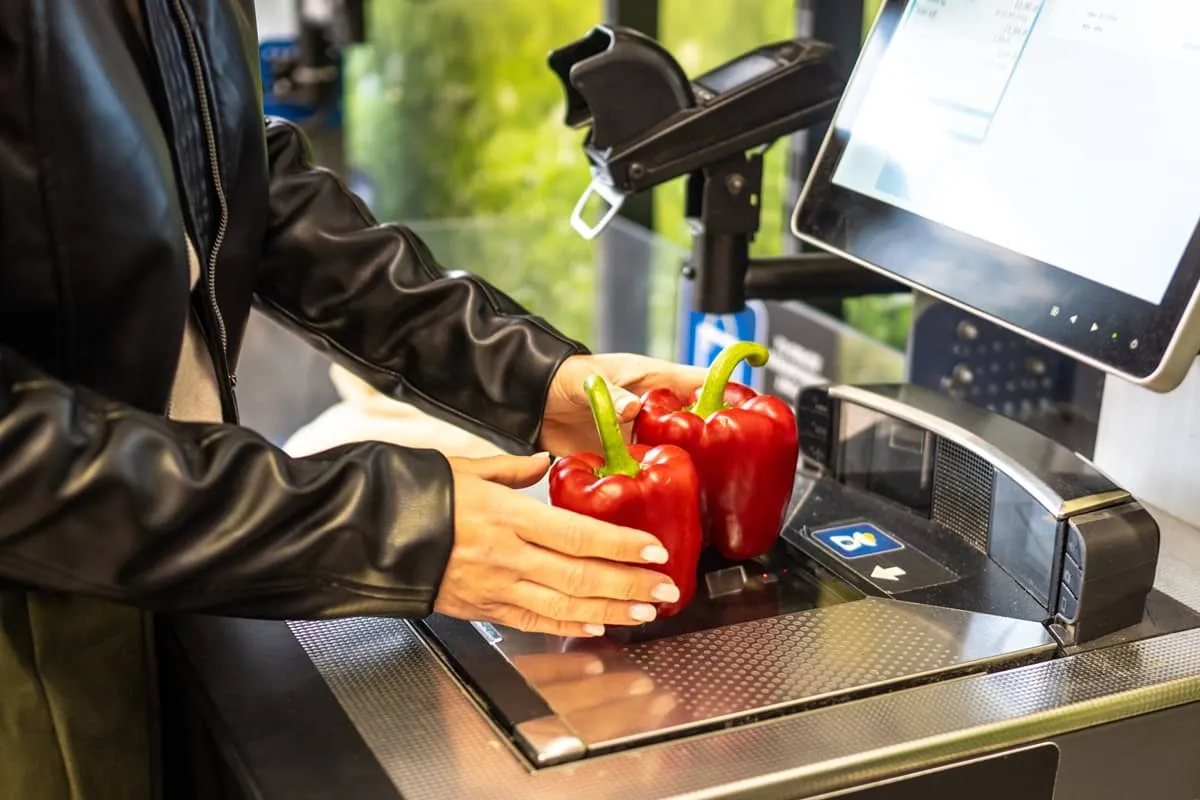
The recent pandemic has also increased demand for contactless payment options and faster checkout in stores. We predict there will be accelerated demand for not just frictionless, touchless shopping that puts technologies like self-checkout and mobile, self-guided scanning at the forefront — but also technologies that deliver frictionless enablement of these experiences on the back end.
Self-checkouts are now a top technology for retailers who want to reduce person-to-person interactions. Retailers will also consider their user experience and workflow of the self-checkout stations to make touchscreens or payment terminals as touchless as possible.
For true operational efficiencies, all these systems will need to be digitally connected to ensure an easy, fast and intuitive customer experience that makes shoppers want to return—while making the retailer and employee experience faster, easier and more intuitive, too.
The best practices for digital transformation in retail
Successful, modern stores are building experiences in their physical store that blend reality with technology, giving them an advantage that other stores are struggling to match.
Back in 2018, we saw the first automated grocery store with no cashiers or checkout lines, opened to the public. The store, which uses artificial intelligence (AI) to streamline the shopping process, has become the cornerstone example for the retail industry around touchless retail. This has caused many retailers to shift investment beyond updating legacy systems to keep up with new technology—and adapt to market trends and impacts, like COVID-19.
How NCR can enable digital transformation for retailers
NCR has been helping retailers transform since we started 135 years ago. Since then, we’ve always focused on our customers’ needs and fulfilling them with technology. Today, our experience and innovations allow us to connect and modernize not just a retailer’s store, but also their entire operation—from POS to payments to ecommerce, loyalty, inventory, back office and beyond—so they have more time to create meaningful customer experiences.
The future of retail is digital and highly automated, and the impact of the coronavirus has only accelerated this shift. No matter the size of your retail estate, we can help you adapt your digital plans quickly, so you can re-open safely and continue trading during this volatile time—and succeed in the future, no matter what it brings.
Related content:
How coronavirus will shape retail over next 3-5 years
この記事をシェアする
関連ブログ記事
小売・飲食業界の重要なトレンドに関する専門的な洞察をさらに詳しくご紹介します。