Connected shoppers are buying however and whenever they want. More and more, they want physical stores to enhance their shopping with digital capabilities. And they’re a mere screen tap away from finding retailers who can satisfy their changing buying preferences.
Reports of stores’ demise are greatly exaggerated; in fact, services such as buy online, pick up in store (BOPIS) will make them more valuable to customers than ever. Still, consumers’ channel-agnostic shopping preferences are disrupting standards for how retail brands operate. And the consumer-centric nature of online shopping is intensifying and profoundly impacting all areas of retail.
Of course, the impacts of the COVID-19 pandemic are also disrupting the industry, and not just until the global spread of the virus is under control, but likely permanently. Exactly which impacts will be lasting—and to what extent—remain to be seen. Let’s talk about some of those disruptions.
COVID-19 sends many consumers back to basics
All these disruptive factors underscore the fact that shopping is an emotional process. Psychological factors impact purchase decisions much more than the quality of the product or service itself—and that emotional impact is growing. For example, the way you as a consumer approach shopping during a pandemic no longer means browsing endlessly and being loyal to a particular product brand. Now you’re likely to be in and out, looking for whatever is in stock in the greatest quantity. Double-ply toilet paper only? Not anymore—now you might scoop armfuls of single-ply paper in one panicked swoop.
Obviously, pandemic shoppers are also turning in droves to online shopping as well, which has seen steady double-digit, year-over-year growth in recent years. Many consumers who were previously reluctant to shop online have gotten used to it since spring 2020. Some have even decided they like it.
In response, some brands are eliminating the retail middleman and offering consumers an online shopping-driven, direct-to-consumer (D2C) business model. Kraft Heinz in the UK (Heinz to Home) and PepsiCo (Snacks.com) are two notable brands offering this alternative.
While D2C or grocery delivery services won’t replace traditional retail, the pandemic is changing some segments in significant ways:
- Customers in cities with the strictest shelter-in-place policies (and those that go in and out of lockdown due to surges) are stocking up and they’re less picky about brands. In response, many grocers have been keeping essential items such as non-perishable food items, water, toiletries, cleaning supplies, medical items and pet supplies on their shelves.
- When those essential grocery items are out of stock, people are turning to convenience stores to find them. C-stores are adapting by stocking items outside of their usual inventory, like toilet paper and cleaning supplies.
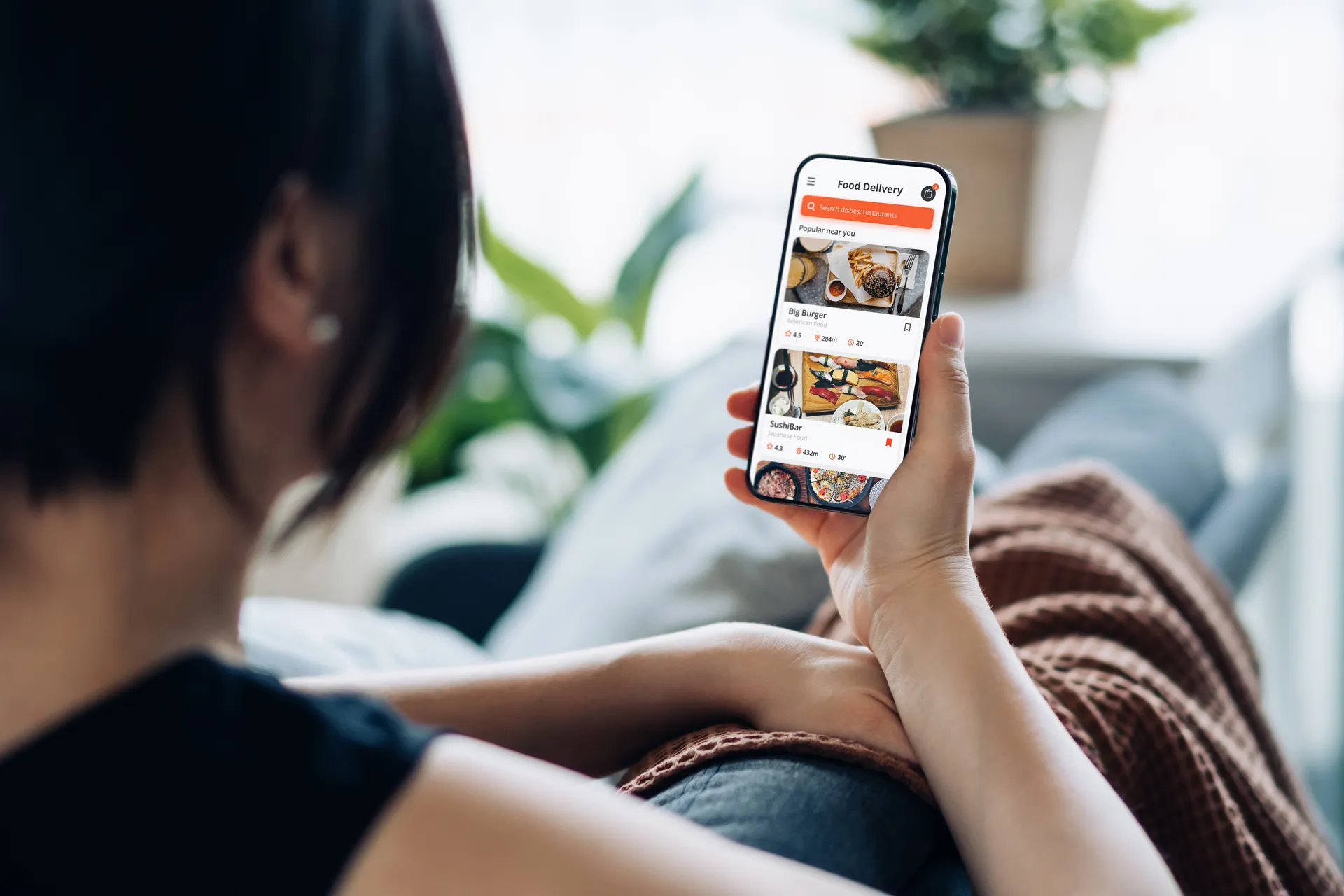
- As consumers demand contactless ways to shop and pay, the use of mobile commerce is increasing. A PYMNTS.com survey indicates that the share of consumers shopping via mobile increased 7.7 percent overall in early March.
Challenges and opportunities in brick and mortar
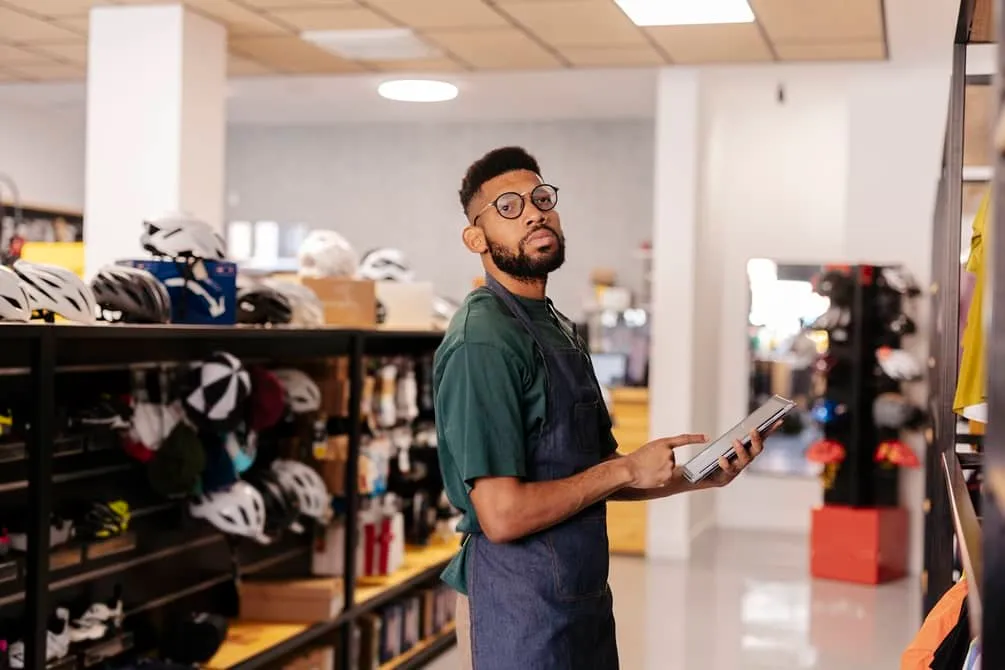
While brick-and-mortar retailing isn’t going anywhere, consumers’ expectations of in-store shopping are shifting. Retailers that understand the new expectations have huge opportunities to thrive:
- With analytics tools, retailers can mine social media data to gain insight into what consumers want to buy and develop more effective merchandising plans. Also, they can use social media to build relationships and influence what and how consumers buy.
- Brick-and-mortar retailers must embrace many consumer habits of showrooming—i.e., examining merchandise in a store and buying it online later—as an experiential retail opportunity. Retailers will need to better train store associates and equip them with assisted-selling tools. They’ll also need to offer new store-specific product assortments and planograms that cater to local consumer preferences.
- Retailers must use near-field communication technologies within their stores to better understand how shoppers transition from in-store to online purchasing decisions and what their preferences are. Also, they need to offer customers new shopping experiences with contextual, real-time options using mobile apps and interactive store displays.
- The vast majority of consumers—87 percent—now want a consistent experience across all shopping channels, but many retailers are not keeping up with the new expectations. To adapt, you must integrate e-commerce and brick-and-mortar component into a consistent shopping experience. You should implement shopping cart software that lets customers share shopping carts across channels. Also, evaluate the brand feel in your store and on your website to make sure your website user experience is the same on a laptop and tablet.
So, which retailers are adapting their stores to the shifting environment? Target, for example, will open more than 30 smaller-format stores in city neighborhoods and college towns each year for the foreseeable future. This strategy will enable Target to tailor its merchandise to local shoppers.
BOPIS benefits
One of the biggest opportunities brick-and-mortar retailers have to offer new value for their consumers is in implementing BOPIS services. That’s because BOPIS offers both consumers and retailers several advantages:
- Fast, free shipping—an e-commerce trend—has become an expectation for many consumers. You might feel forced to make large capital investments to improve your supply chain and speed up last-mile delivery. And, you might not be able to make free shipping work from an economic standpoint, so you might need to set minimum spend thresholds in order to recoup some of the costs. If your store brand has an e-commerce counterpart, you can leverage both channels to give customers an alternative to end-to-end e-commerce.
- As a result, you can help customers save money on shipping, even while increasing your own profit margins. Forty-eight percent of consumers say they chose BOPIS over shipping by mail to save on shipping costs.
- It’s a competitive differentiator. BOPIS is a great way for brick-and-mortar retailers to compete with online-only retailers. You can offer flexibility to customers who don’t want to have packages sit on their doorsteps for hours.
- It can spur impulse purchases. Now here’s an idea any retailer is familiar with—generate foot traffic in your store just about any way you can. Customers will wind up making at least one purchase they didn’t plan on. That means more revenue.
- You get the opportunity to provide great in-person customer service. E-commerce offers consumers huge advantages—but the human touch isn’t one of them. With BOPIS, consumers get that human touch, which can influence a great shopping experience. (We’ll go out on a limb and predict that some retailer will assign robots to the task in the next 10 years, but you get the idea.)
Not surprisingly, the use of BOPIS services has become more common during the pandemic. In April 2020, BOPIS orders increased 563 percent compared with a year earlier.
BOPIS considerations
If your retail brand includes physical storefronts and an e-commerce presence, you’re probably thinking, “Buy online, pick up in store is a strong consumer preference. What do I need to do to make it work across my retail estate?” Keep several concepts in mind:
- Set up a dedicated, staffed collection desk for the BOPIS shopper. Many retailers experienced in BOPIS have done this. Make sure this station is equipped to process additional purchases directly from the store, too. Maybe most importantly, minimize the amount of time customers wait in line.
- Speaking of timing, there’s no point offering this service if the lead time between ordering and BOPIS isn’t shorter than standard shipping. Retailers with a mature BOPIS model already offer same-day pickup—a few hours if the item is already in the store’s inventory.
- To speed up order fulfillment, retailers such as Walmart have invested in automated terminals to process pickups and returns. BOPIS clients receive a code and enter it at the terminal, prompting a robot in the stockroom to pick the order and deliver it to the collection point on the sales floor.
- Make sure store associates engage with BOPIS clients in a positive way and make them feel welcome. To pull that off, incentivize them to become channel-agnostic. Make sure their store is fully credited with the value of the BOPIS sale and that the sale contributes to their overall and personal targets.
- In an article identifying trends impacting retail in 2020, Chain Store Age contends that traditional retailers must re-examine their policies on staffing, compensation, task assignment and inventory planning to adjust for BOPIS services. They’ll need to avoid cannibalizing inventory at the expense of foot traffic and figure out how to compensate retail store associates and managers for BOPIS purchases, too.
BOPIS lends itself well to grocery shopping, largely because many items on customers’ lists get replaced from one grocery store shopping trip to the next. BOPIS technology such as NCR Voyix’s Power Picking solution enables grocers to store customers’ historical purchase histories, including their item preferences, for replication on future lists.
More consumers considering curbside
According to Supermarket News, 16 percent of shoppers (including 9 percent of first-timers) are also choosing curbside pickup, where they order online or via an app and drive to a designated spot in the retailer’s lot to pick up their order without leaving their car. In the article, FMI Director of Research Steve Markenson said that “first-time online shoppers tend to show greater propensity for pickup options, including curbside or in-store pickup.”
That percentage was significantly higher in a National Retail Federation consumer flash poll earlier this spring, which found more than 90 percent of people who tried curbside said it was convenient.
Some small to mid-market retailers have found it relatively simple to implement, emailing a pickup code to shoppers, using cones to direct them to their pickup areas and store runners to carry the bags to the customer’s car. Yet others, usually larger enterprise brands that already had a curbside option in place, have more sophisticated processes in place, or are looking to refine and accelerate their curbside strategy into their operation.
No matter your retail brand’s particular curbside set up, it’s important to have a modern, flexible point-of-sale system in place that integrates and makes visible your mobile, ecommerce, inventory and labor operations in a single view, so you can constantly streamline and improve efficiency across your retail estate, making it easier to scale up or down based on your shopper data.
How to improve the online shopping experience
Compared with retail as a whole, online shopping—including online grocery shopping—is still relatively young. Maybe you’re a brick-and-mortar retailer launching an e-commerce option or implementing BOPIS services, or you’re founding an online-only startup. You can always do something to improve the shopping experience.
In fact, 84 percent of shoppers in one survey said they’d had problems with online grocery shopping, mostly in regards to inventory and fulfillment. So to address any potential problems, make sure you gather insight into what online consumers want to inform your online shopping strategies in a few key areas:
Delivery
- 配送予定日を知ることは、オンラインショッピング体験に影響を与える最も重要な要素の一つです。
- オンライン購入者の42%が、配送日を理由にカートを放棄しています。
- ショッパーの3人に1人は、より速い配送のために料金を支払うことを選択することがほとんどです。
- 3人に2人は、ほとんどの場合、最も経済的な配送オプションを選択します。
- 43%が2~3日での配送を期待しています。
- 30%が翌日配送の利用を期待しています。
返品
- ショッパーは、わかりやすい返品プロセスが利用できることを高く評価しています。
- オンライン購入者の63%が、購入前に返品ポリシーを確認しています。
- ほぼ半数の人が、寛大でわかりやすい返品プロセスがある小売店であれば、より頻繁に買い物をするようになり、友人に勧める可能性も高まると回答しています。
配送
- 期待通りに商品を受け取ったことが、オンライン小売業者を推奨するきっかけになったと46%が回答しています。
- すべての小売業者が追跡情報を提供すべきだと75%が考えています。
- 消費者は、メール通知の受信、配送先の変更、2時間の配送時間枠の指定ができることを好んでいます。
また、オンラインショッピングも COVID-19パンデミックの影響ある消費者調査によると、eコマースのトレンドは、パンデミックが多くのオンライン消費者を「基本」に戻したことを示しています。2020年4月に米国の消費者のオンラインショッピングの意思決定に最も影響を与えた要因は、価格(51%)と迅速で便利な配送(21%)でした。彼らは、オンラインストアのブランド評判(8%)などの要因には、はるかに低い優先順位を置いていました。これらの影響は、特にオンライン食料品ショッピングで顕著です。
オンライン消費者が何を求めているかを知ったところで、ここでは検討すべきオンラインショッピング最適化戦略をいくつかご紹介します。
- eコマースサイトの顧客サービスを向上させるには、 コミュニケーションオプションを提供する 通常のお問い合わせフォームに加えて、ライブチャット、Skypeサポート、フリーダイヤルなどを含めます。
- 販売条件を明確にする点では、情報が多いほど良いです。つまり、注文に関する情報をできるだけ多く含めるということです。それは、配送および返品ポリシー、保証、その他顧客体験に影響を与える可能性のある詳細情報を提供することを意味します。
- 高品質なサイト検索機能に投資しましょう。それは顧客を満足させ、不要な時間のかかるやり取りを避けることにつながります。
- 送料無料オプションを検討しましょう。追加費用は、長期的な顧客ロイヤルティに見合う価値があるかもしれません。
接続され、チャネルに依存せず、ますます要求の多い新しいタイプの消費者が登場したことで、唯一の小売業の常套句が本当に重要になります。「お客様は常に正しい」たとえ彼らが常に正しいわけではなくても、彼らはこれまで以上に主導権を握っています。だからこそ、小売業者は、実店舗、オンライン、ハイブリッド戦略のいずれであっても、あらゆる戦略において顧客中心のアプローチを取ることが不可欠です。これは、何よりも顧客の獲得と維持が重要となる時代において、大いに役立つでしょう。
IHL Groupの最新の食料品トレンドや、2つの大手食料品店が変化にどのように適応しているかについて、さらに詳しく知りたいですか?8月20日に開催される食料品体験ウェビナーに今すぐご登録ください。
この記事をシェアする
関連ブログ記事
小売・飲食業界の重要なトレンドに関する専門的な洞察をさらに詳しくご紹介します。