“But as a consumer, we all want the convenience of contactless payments, online ordering, retailers knowing our preferences. Those things are going to stay.” — David Wilkinson, president & GM of NCR Retail.

When 2020 dawned, retailers were buzzing about the “store of the future” and what it might look like. The excitement was palpable: so many new technologies. So many ways to connect the shopper journey. So many opportunities to differentiate a retail brand.
Then, the pandemic. Suddenly, retailers were less concerned about the store of the future and more about surviving in the present. About pivoting quickly to new fulfillment models, new ways of operating, new regulations.
Retailers are still dealing with the fallout of that unpredictable year of change. As 2021 picks up steam, some of those changes are likely permanent. And it’s being driven by the biggest change of all: the shift in consumer buying behaviors.
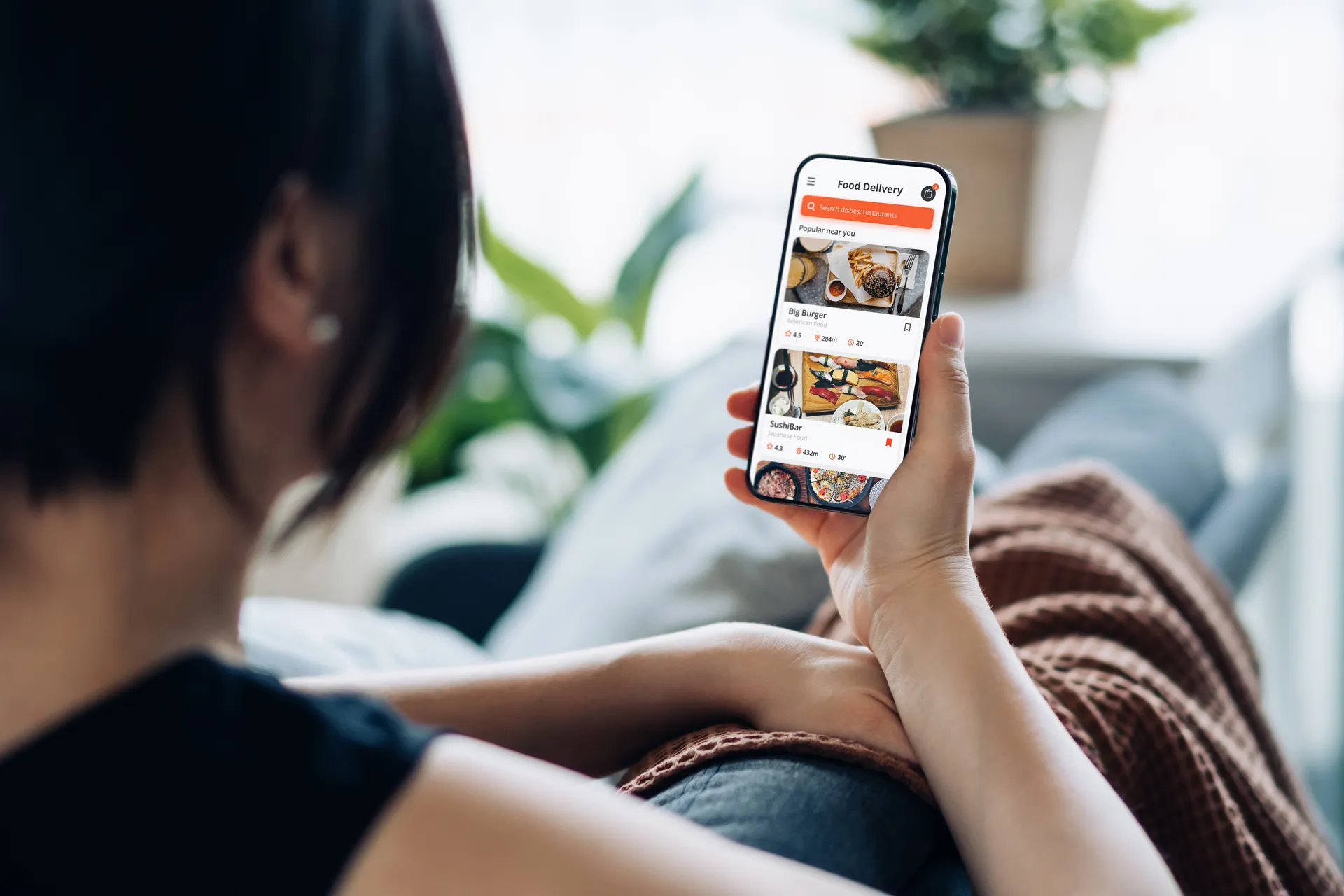
Think about how your days look now. You’re likely at home. Maybe working via Zoom and Webex. If you’re like many people, you’re buying online, having items delivered or picking them up curbside or in-store. You could be thinking about safety, convenience and the availability of inventory essential to your household. (And that’s been one of the biggest shopper shifts amid COVID-19: loyalty. Consumers are less loyal to brands and more in favor of what’s available on the shelves.)
Which consumer behaviors are likely to last—and why
Again, it’s about safety, convenience and availability. So, consumers are likely to continue using technologies that offer that, from contactless payment to e-commerce to buy-online-pickup-in-store (BOPIS). Retailers will be focusing on deploying technologies like these to enable a simpler, more intuitive and connected experience for shoppers while reducing the complexity and cost of serving.
And consumers are on board. According to McKinsey, some two-thirds of consumers have tried new shopping methods—and a full 65 percent plan to continue.
“There have been some intermediate changes arising from the pandemic, such as Plexiglas partitions in stores, which may or may not stay once the pandemic subsides,” said David Wilkinson, president and general manager of NCR Retail. “But as a consumer, we all want the convenience of contactless payments, online ordering, retailers knowing our preferences. Those things are going to stay. These technologies were already starting to increase in adoption and the pandemic just accelerated it. And it’s creating challenges for retailers.”
Beyond contactless: 3 areas of tech focus for retailers
Wilkinson advises global retailers to take a three-pronged approach to their digital retail transformation plans to meet these changing expectations. The goal? To meet customers where they are while simplifying the retail operation. To do so means focusing on these three areas:
1. The outside-of-store experience – Making it seamless for consumers to use any device and any channel to shop at any time.
2. In-store technologies – From assisted to self-checkout to kiosks, finding new ways to serve customers inside the store and meeting them where they are.
3. Hyper-personalization – Being able to recognize a shopper as an individual and use their shopping data and preferences to deliver personalized recommendations, offers, loyalty rewards and more.
“But as a consumer, we all want the convenience of contactless payments, online ordering, retailers knowing our preferences. Those things are going to stay.” — David Wilkinson, president & GM of NCR Retail.
When it comes to specific technologies, Wilkinson says retailers should continue to focus on mobile and online, whether enabling a consumer device or purpose-built device in store. Computer vision and artificial intelligence will also play critical roles, with a multitude of applications and use cases from improving checkout speed and guest experience to facial recognition payment and loyalty, shrink reduction and frictionless commerce.
The most important technology? The kind that keeps all the other tech available.
There’s already a lot of technology inside the store, and that’s only going to increase. So it’s critical for retailers to pay attention to Internet of Things (IoT)-based services and use them to make sure every connected device, from point-of-sale terminals and inventory robots to a walk-in cooler sensor, are running like they should—and that any failures are identified and resolved before the retailer or their customer even knows.
That’s because, in an era of shrinking loyalty and hungry competition, the customer experience has to be the best it can be; device outages can interrupt it and cost a retailer precious loyalty.
“Availability of technology is just like a store associate showing up for their shift,” Wilkinson said. “The technology has to be available; it’s critical to driving the end-to-end experience. It’s important for retailers to ensure the connectivity of the devices in store and have the ability to remotely monitor and maintain the technology.”
Previously, even as recently as five years ago, that connectivity wasn’t as critical. Retailers could rely on individual, discrete pieces of technology with custom integrations. But the proliferation of new technologies and demand for new experiences means retailers must be able to connect their devices into an ecosystem and have visibility and control of it all in real time to achieve the best customer experience and operational efficiency gains.
“The technology has to be available; it’s critical to driving the end-to-end experience. It’s important for retailers to ensure the connectivity of the devices in store and have the ability to remotely monitor and maintain the technology.” — David Wilkinson, NCR Retail.
Moving from point-of-sale to a platform for flexibility
“We’ve got to create flexibility in IT,” Wilkinson said. “Ten years ago, you could build a piece of retail technology on an island and it was okay; you could manage with point-to-point, bespoke integration. But it gets unwieldy as other new technologies come in, coupled with a faster pace of adoption.”
That’s why more retailers are adopting a platform approach and taking advantage of open technology ecosystems. It delivers the flexibility they need to add new, exciting technologies—and those technologies are emerging all the time. Indeed, one April 2020 report found there were over 4,200 in-store retail technology startups receiving billions in investments.
Retailers need to have a platform flexible enough to plug in these new technologies, be able to test them and turn them off and on easily. Retailers are also building their own custom applications and those they can completely control. They don’t want a third-party to own their loyalty experience, for example, especially one that requires them to create a separate, bespoke experience that doesn’t integrate with their point of sale—and that the customer has to leave your platform to interact with.
Core vs. context: How to approach investing in a time of rapid change
But investing in new technologies can come with a hefty price tag. And this in an industry that already underspends on store technology. Add razor-thin margins and retailers are understandably hesitant to make huge investments when the industry keeps changing.
だからこそ、小売業者は柔軟性を最大限に高めるスマートなプラットフォーム投資に注力する必要があります。つまり、小売業者は依然として投資をしなければなりません。しかし、ROIとして実現するまでに5年や7年かかるような単発の投資の時代は終わりました。プラットフォームアプローチを採用すれば、そのリターンははるかに速く、初期の技術コストも抑えられます。小売業者は、高額な投資をしたにもかかわらず、最終的に市場が変化してしまっているという心配からようやく解放されます。なぜなら、プラットフォームアプローチは、変化の速さに不満を感じている小売業者にとって最も重要なメリット、すなわち「柔軟性」をもたらすからです。
これは、小売業者のコアビジネスと、それを取り巻く状況(コンテキスト)を比較検討することを意味します。店舗を運営し、消費者に優れたサービスを提供するためのテクノロジーへの投資は、必ずしも小売業者の本業の中核ではありません。そのため、テクノロジーを活用して店舗を設計・運営する方法について、効率的な投資判断を下すためには、コンテキストを考慮することが重要です。適切なテクノロジーパートナーがいれば、小売業者が顧客体験の差別化に注力できる一方で、パートナーはテクノロジーに100%集中できるため、役立ちます。
店舗ITに注目が集まる
チームワークといえば、店舗運営が変化し、未来の新しい店舗を形作っているもう一つの方法です。以前は、店舗ブランドのチームは縦割りになっていました。店舗運営は店舗運営、マーケティングはマーケティング、顧客体験は顧客体験、ITはITという具合に。
しかし今、会議室にいる人々も、議論の内容も変化しています。最高体験責任者(CXO)は、店舗体験を実現し、シンプルで迅速なショッピングとチェックアウトを可能にするためにテクノロジーを活用しています。ビジネスチームや運営チームも変革の必要性を推進しており、在庫管理から労務管理まであらゆるものを推進するためにテクノロジーに注力しています。そして、これらのチームすべてが店舗ITの業務に深く関わるようになり、店舗のITチームがその中心に位置する形になっています。
実際、IT要素を含まない小売業の課題を想像することは困難です。これはわずか5年ほど前とは隔世の感があります。そして、テクノロジーパートナーが小売業者とどのように連携する必要があるかを変えています。適切なテクノロジーパートナーは、小売組織における変化する力学と優先順位を理解し、バリューチェーン全体にわたる様々なステークホルダーの複数の目標を達成するテクノロジー戦略を策定できなければなりません。
適切なテクノロジーパートナーは、小売組織における変化する力学と優先順位を理解し、バリューチェーン全体にわたる様々なステークホルダーの複数の目標を達成するテクノロジー戦略を策定できなければなりません。
未来の店舗の新たな姿
では、 新しい 未来の店舗には、まだプレキシガラスの仕切りや床のマーカーが残るのだろうか?それは何とも言えない。しかし、テクノロジーを活用し、柔軟で俊敏であることは明らかだ。摩擦はますます少なくなり、コンピュータービジョン、IoTモニタリング、リアルタイムの在庫収集といった主要技術や、店舗内での拡張現実のような新しい体験に重点が置かれるようになるだろう。
未来の店舗は、おそらく以下の点に重点を置くことになるでしょう。
- オンラインおよびBOPIS(店舗受け取り)によるマイクロフルフィルメント – これは、コンピュータービジョンやRFID対応デバイスを介した、正確なリアルタイム在庫の収集、追跡、報告の必要性と並行して、大きく推進されるでしょう。
- 顧客中心のデザインの店舗を創出する 顧客が望む場所で、望む方法でサービスを提供する店舗の創出。これには、代替のレジモデルも含まれます。例えば、今日ではレジは店舗の正面にありますが、消費者の購買習慣が変化するにつれて、明日にはそれが変わるかもしれません。
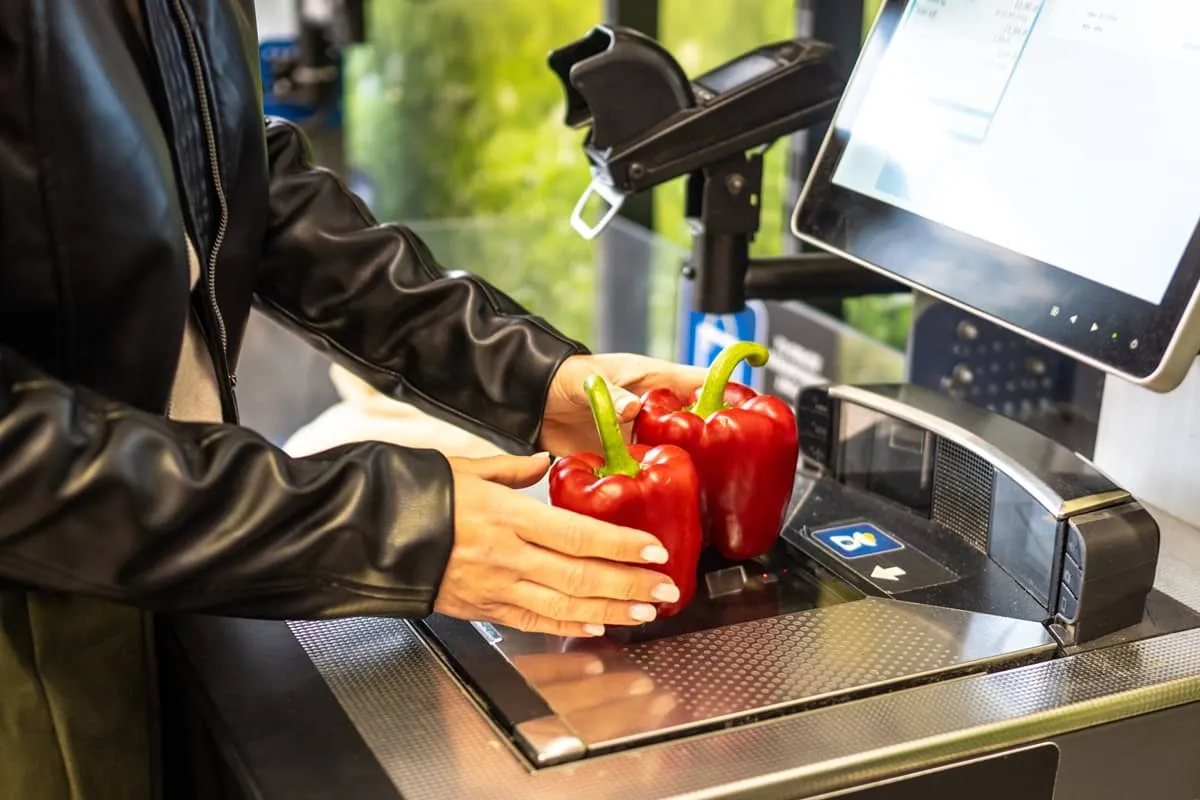
- 顧客の状況に合わせたセルフチェックアウト パンデミックの中、顧客はセルフチェックアウトの利用を急増させました。2020年のNCRの調査では、消費者の49%が「おそらく」または「間違いなく」セルフチェックアウトをより頻繁に利用すると回答しています。また別の調査では、75%の人々がスーパーマーケットやコンビニエンスストアのセルフチェックアウトを利用する可能性が高いことが分かりました。
- 店舗内でのハイパーパーソナライゼーション – 誰もがオンラインショッピングに慣れ親しんだ今、他の分野でも同様のパーソナライズされた直感的な体験を期待しており、それはますます店舗内にも及ぶでしょう。未来の店舗は、買い物客が通路を移動する際に認識し、働きかけるようになります。スパゲッティソースとパスタを手に取ると、アプリでミートボール、赤ワイン、サラダキットの新しいクーポンが届いたという通知が携帯電話に届くかもしれません。そして、その同じモバイル体験でスキャン、チェックアウト、支払いを済ませることができます。
「リアルタイムでのハイパーパーソナライゼーションという考え方は、消費者が求めているものです。オンラインで買い物をするたびに、あなたは毎日投票しているようなものです」とウィルキンソン氏は述べました。「買い物リストを事前に作成できるようにしたい。リアルタイムのプロモーションを受けたい。ロイヤルティプログラムを利用したい。これらすべてを店舗内で実現したいのです。そのため、サイロ化されたチャネルの障壁を打ち破る必要があります。だからこそ私たちは、これらのサイロを打ち破り、シームレスな体験を可能にするプラットフォームアプローチを提唱しているのです。」
どんな未来が来ても対応できるプラットフォーム
そして、未来の店舗を支える最大のテクノロジーアプローチが「プラットフォーム化」です。オープンなエコシステム、API、サービスに投資した小売業者には、すでにその恩恵が見られます。彼らは迅速に適応し、新しい体験をより速く導入、テスト、拡大することができました。
「テクノロジーは、個別の、一度限りの統合が必要なPOSシステムを持つという段階を超えました」とウィルキンソン氏は述べました。「それでは、反応し、適応する能力が得られません。そして、それはパンデミックが去った後も小売業者にとって重要になるでしょう。なぜなら、常に業界を混乱させ、対応すべき新しいものが現れるからです。生き残るための鍵は、市場や顧客がどのように変化しても迅速に適応できる次世代の小売プラットフォームを持つことです。」
小売業者がどのように変化に対応しているか、その全体像をご覧ください。
この記事をシェアする
関連ブログ記事
小売・飲食業界の重要なトレンドに関する専門的な洞察をさらに詳しくご紹介します。